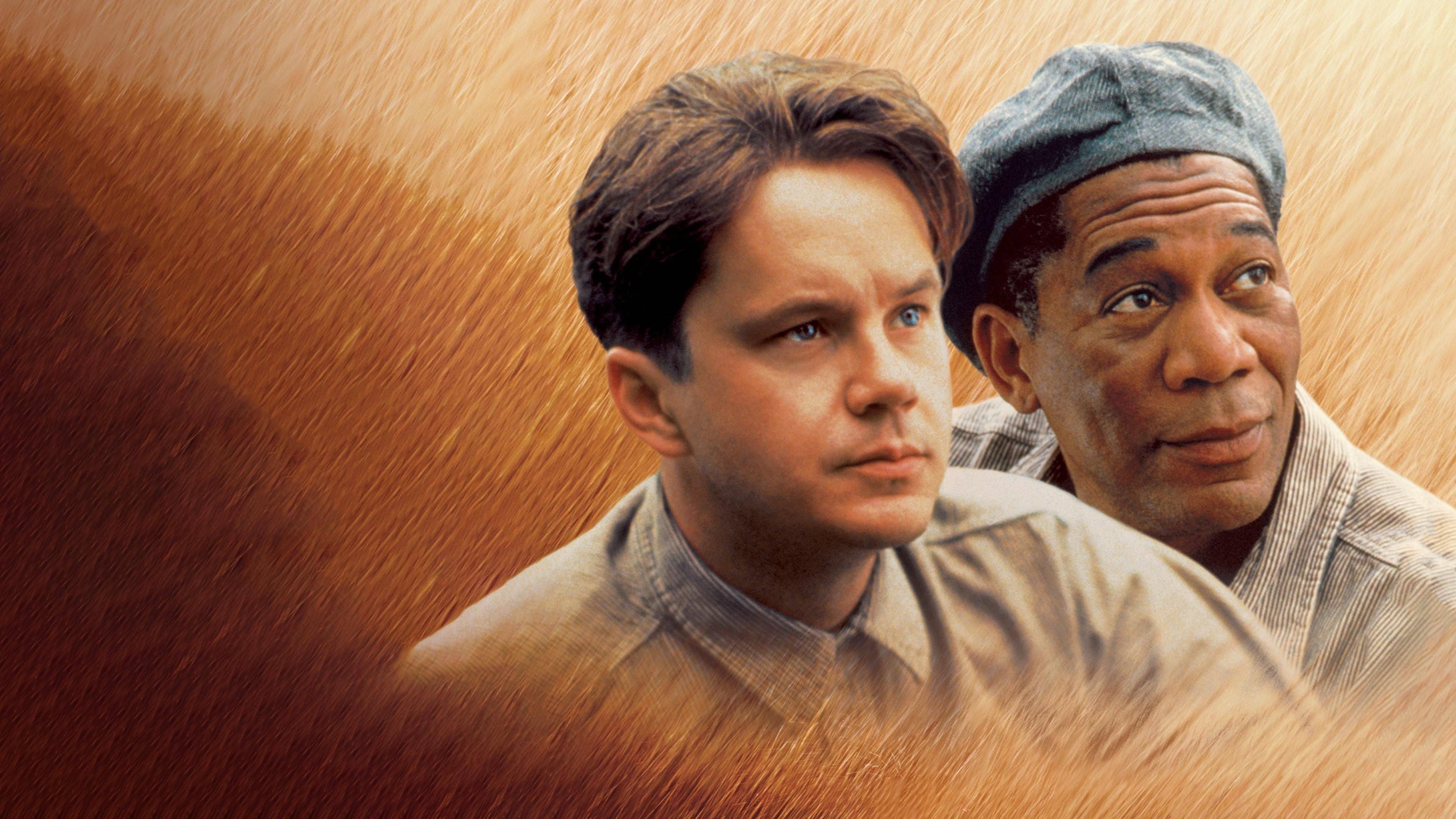

The Shawshank Redemption
Imprisoned in the 1940s for the double murder of his wife and her lover, upstanding banker Andy Dufresne begins a new life at the Shawshank prison, where he puts his accounting skills to work for an amoral warden. During his long stretch in prison, Dufresne comes to be admired by the other inmates — including an older prisoner named Red — for his integrity and unquenchable sense of hope.










Where to watch


SakuraTv Review
Frank Darabont’s "The Shawshank Redemption," a film often lauded as an untouchable classic, certainly possesses an undeniable emotional resonance, yet its artistic merits deserve a more scrutinizing gaze than mere adoration allows. It is, at its heart, a meticulously crafted fable of endurance, powered by a screenplay that, while occasionally leaning into sentimentality, largely succeeds in building a compelling narrative of hope against overwhelming odds.
The film's greatest strength lies in its performances, particularly Tim Robbins as Andy Dufresne. Robbins embodies a quiet, almost spectral resilience, conveying decades of internal struggle and cunning through subtle shifts in his gaze and posture. He is not a boisterous hero but a strategic survivor, a man whose integrity is a weapon. Morgan Freeman’s Red, on the other hand, provides the film’s narrative spine and its emotional anchor. His voiceover, a masterful blend of weariness and wisdom, elevates the storytelling, transforming mundane prison life into a canvas for profound philosophical musings on freedom and institutionalization. This vocal presence is so potent it almost becomes another character, guiding the audience's perception.
Darabont’s direction, while competent, occasionally favors clarity over complexity. The cinematography, though often beautiful in its depiction of the prison's stark confines and the eventual expansive freedom, can feel a touch too polished, too archetypal. There’s a certain pristine quality to the despair, which, while visually appealing, sometimes softens the brutal edges of incarceration. My primary reservation, however, lies in the film’s unwavering commitment to its hopeful trajectory. While inspirational, it sometimes skirts the more nuanced, morally ambiguous corners of human nature under duress. The villains are almost cartoonishly evil, serving primarily as foils for Andy’s unwavering goodness. This black-and-white morality, while effective for a broad audience, diminishes the film’s potential for deeper psychological exploration.
"The Shawshank Redemption" is undeniably a powerful and moving film, a testament to the human spirit’s capacity for hope. It’s a beautifully told story, but one that, upon closer inspection, reveals a slight idealization of struggle. It’s a film to be admired for its craft and its message, even if its artistic bravery occasionally yields to a more comforting, universally palatable narrative.