
The Lord of the Rings: The Return of the King
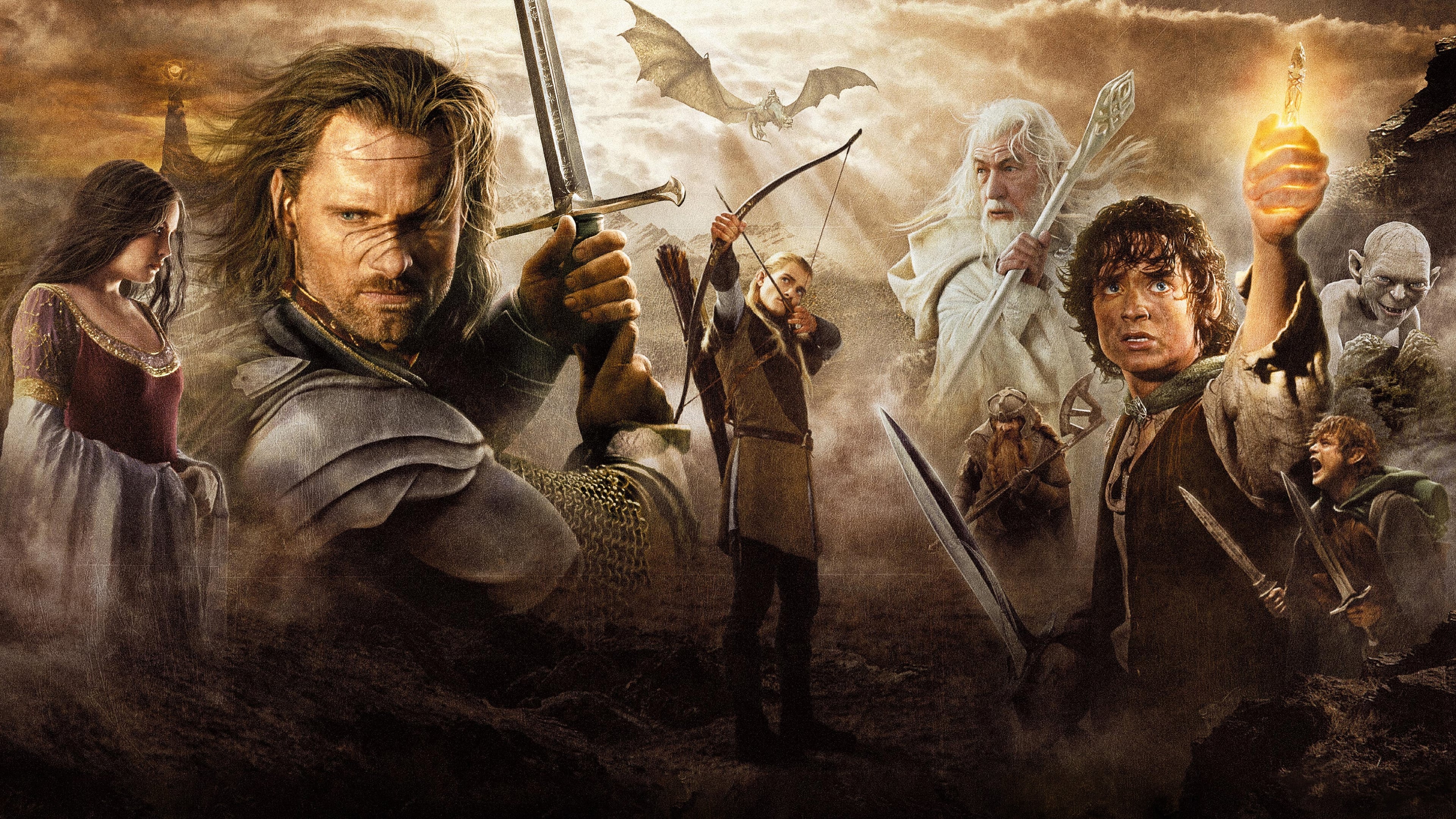
As armies mass for a final battle that will decide the fate of the world–and powerful, ancient forces of Light and Dark compete to determine the outcome–one member of the Fellowship of the Ring is revealed as the noble heir to the throne of the Kings of Men. Yet, the sole hope for triumph over evil lies with a brave hobbit, Frodo, who, accompanied by his loyal friend Sam and the hideous, wretched Gollum, ventures deep into the very dark heart of Mordor on his seemingly impossible quest to destroy the Ring of Power.

Where to watch


SakuraTv Review
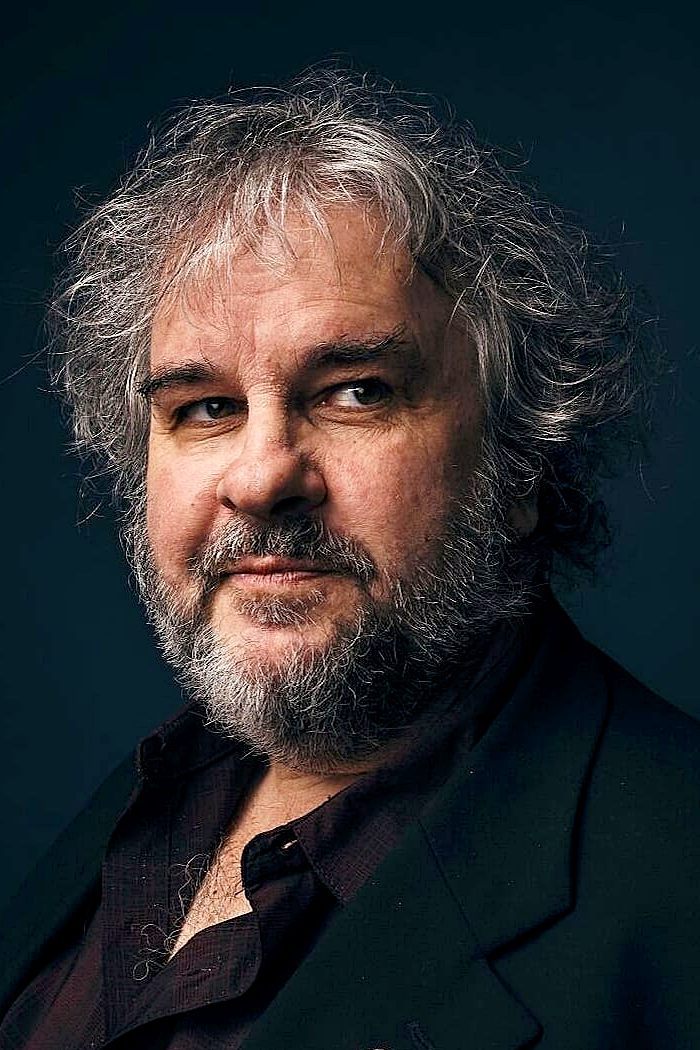
The culmination of Peter Jackson’s monumental undertaking, The Return of the King, is not merely an action-adventure spectacle; it is a cinematic testament to endurance, both on screen and behind the camera. This film, clocking in at a formidable 201 minutes, attempts to wrangle the sprawling tapestry of Tolkien’s finale, and in doing so, reveals both its profound strengths and its inherent limitations.
Jackson’s direction, particularly in the grand set pieces, is undeniably masterful. The siege of Minas Tirith, for instance, is a ballet of chaos, where the sheer scale never overshadows the visceral impact of individual combat. He understands the architecture of war, not just as a clash of armies, but as a series of desperate human (and non-human) struggles. The cinematography, especially in Mordor, paints a landscape of absolute desolation, mirroring Frodo’s internal decay. This visual language is crucial; it elevates the journey from a simple quest to a psychological ordeal.
Yet, where the film occasionally stumbles is in its narrative elongation. The multiple endings, while faithful to the source, often deflate the hard-won emotional catharsis. One begins to feel the weight of narrative obligation rather than organic conclusion. The screenplay, while largely effective in adapting such dense material, sometimes overemphasizes certain heroic arcs at the expense of others. Aragorn’s journey, for all its regal splendor, occasionally feels less earned than Frodo and Sam’s agonizing crawl towards Mount Doom.
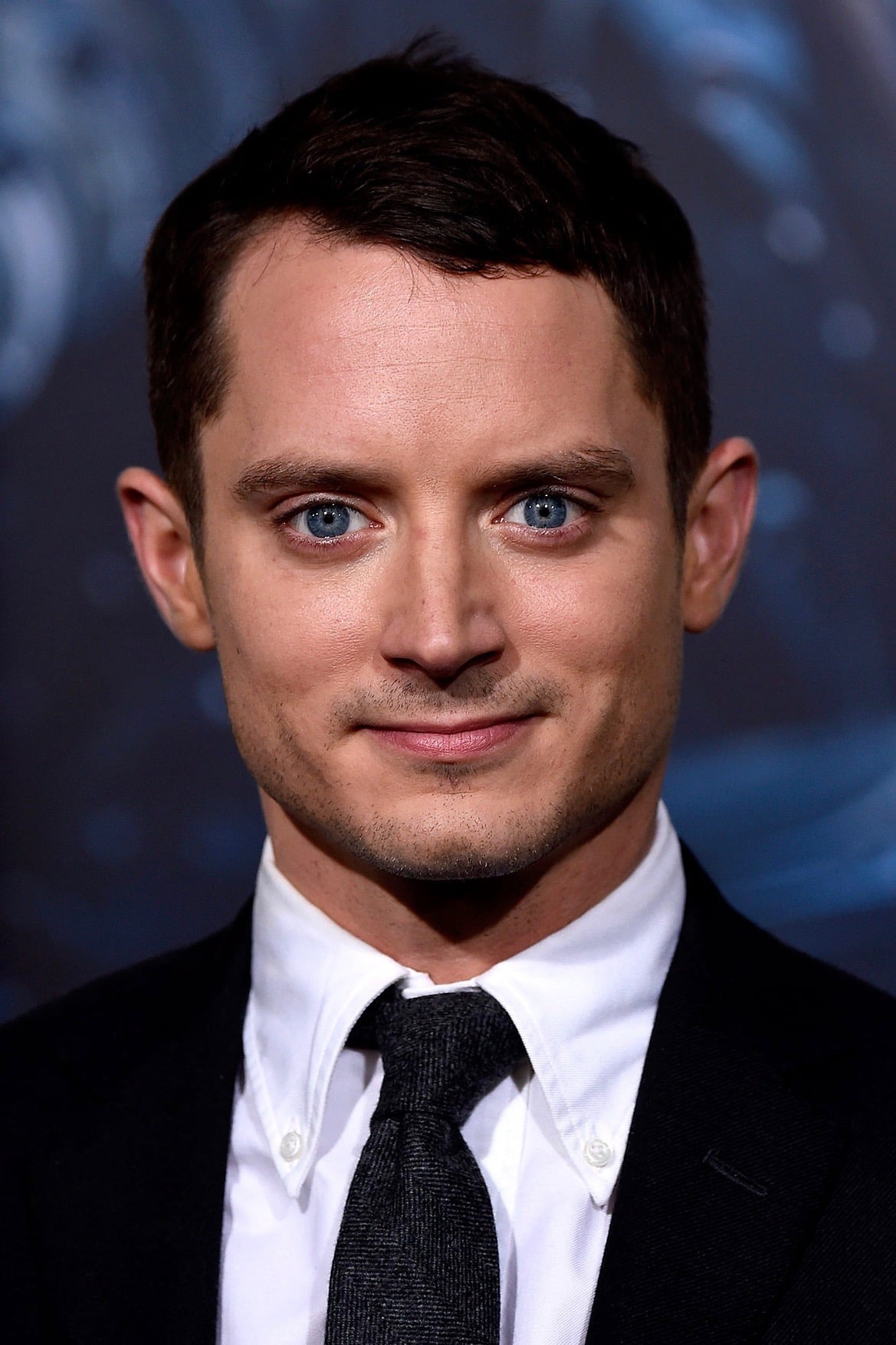
The performances, however, are a bedrock of its success. Elijah Wood’s Frodo is a masterclass in quiet suffering, his eyes conveying a torment that words cannot. Sean Astin’s Sam is the film’s moral compass, a beacon of loyalty whose unassuming heroism grounds the epic fantasy in relatable humanity. And then there is Andy Serkis’ Gollum, a creature of such complex pathos and malevolence that he transcends mere CGI. His final struggle with Frodo is not just about the Ring; it’s a terrifying dance between addiction and salvation.
The Return of the King remains a staggering achievement, a film that dared to dream on an epic scale and largely succeeded. It’s a work that demands your attention, not just for its battles, but for the intimate, often heartbreaking, moments of sacrifice. While not without its narrative indulgences, its artistic ambition and emotional resonance secure its place as a powerful piece of cinematic art, a rare beast in an industry often content with mere entertainment.