


Where to watch


SakuraTv Review
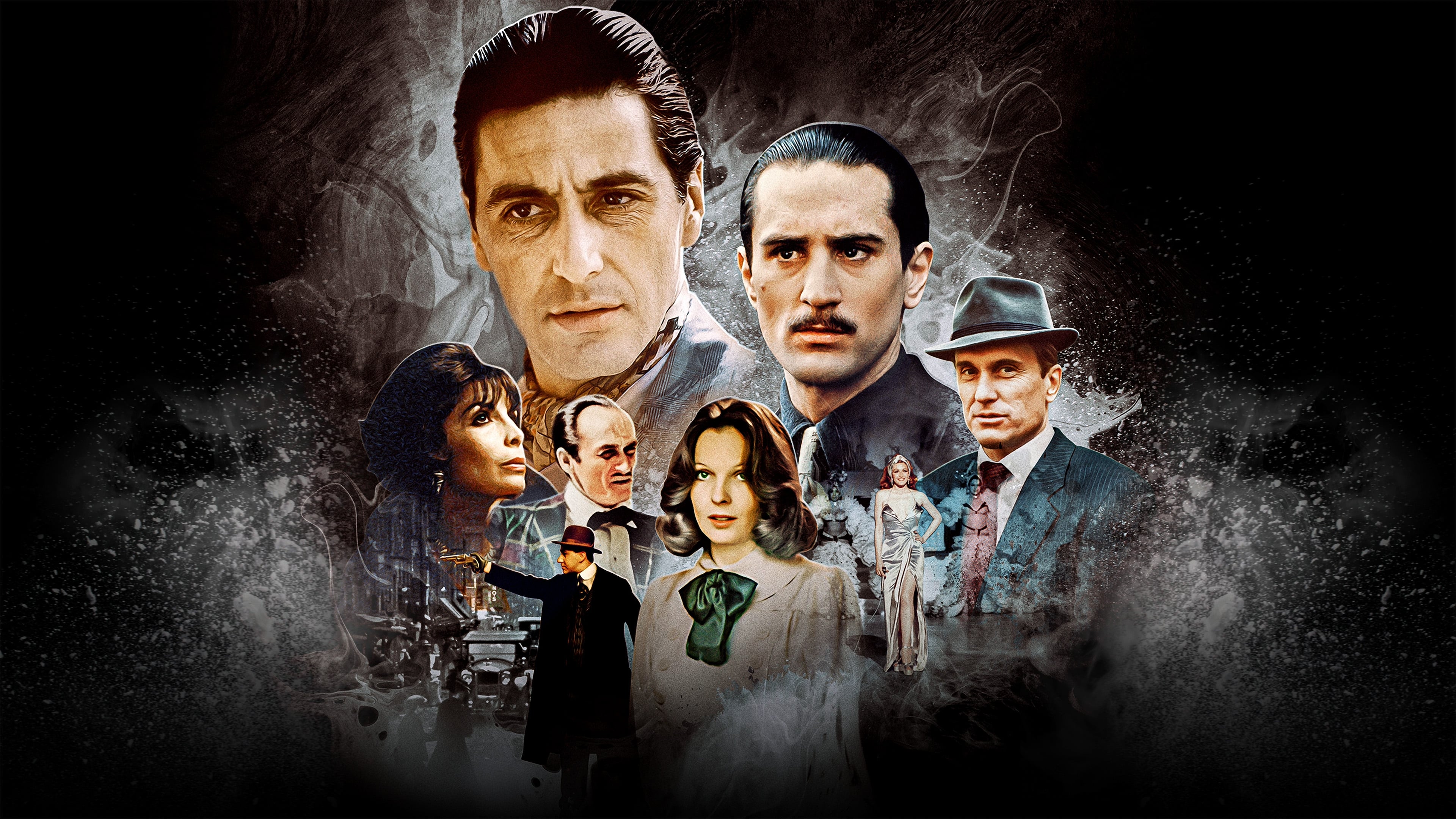
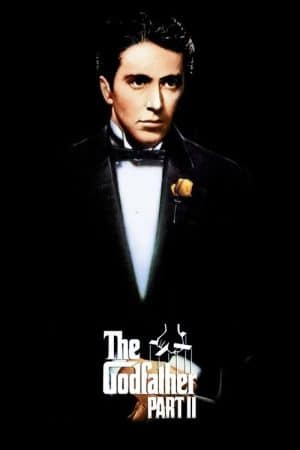
Francis Ford Coppola's *The Godfather Part II* is less a sequel and more a grand, operatic fresco, an ambitious expansion that deepens the tragic mythology of the Corleone family. To call it merely a crime drama misses the point; this is an examination of power's corrosive nature, told through a dual narrative that is both audacious and utterly compelling.
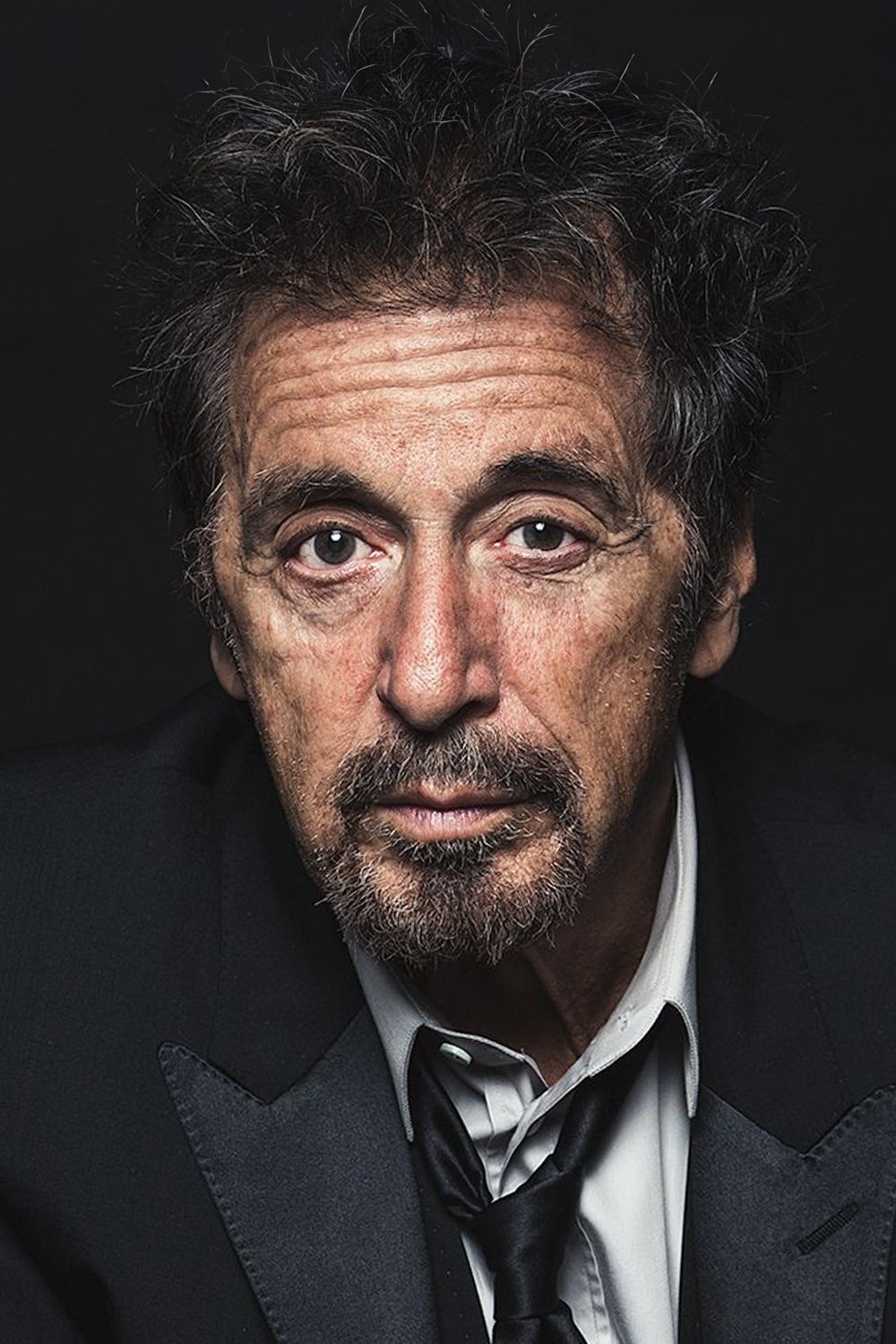
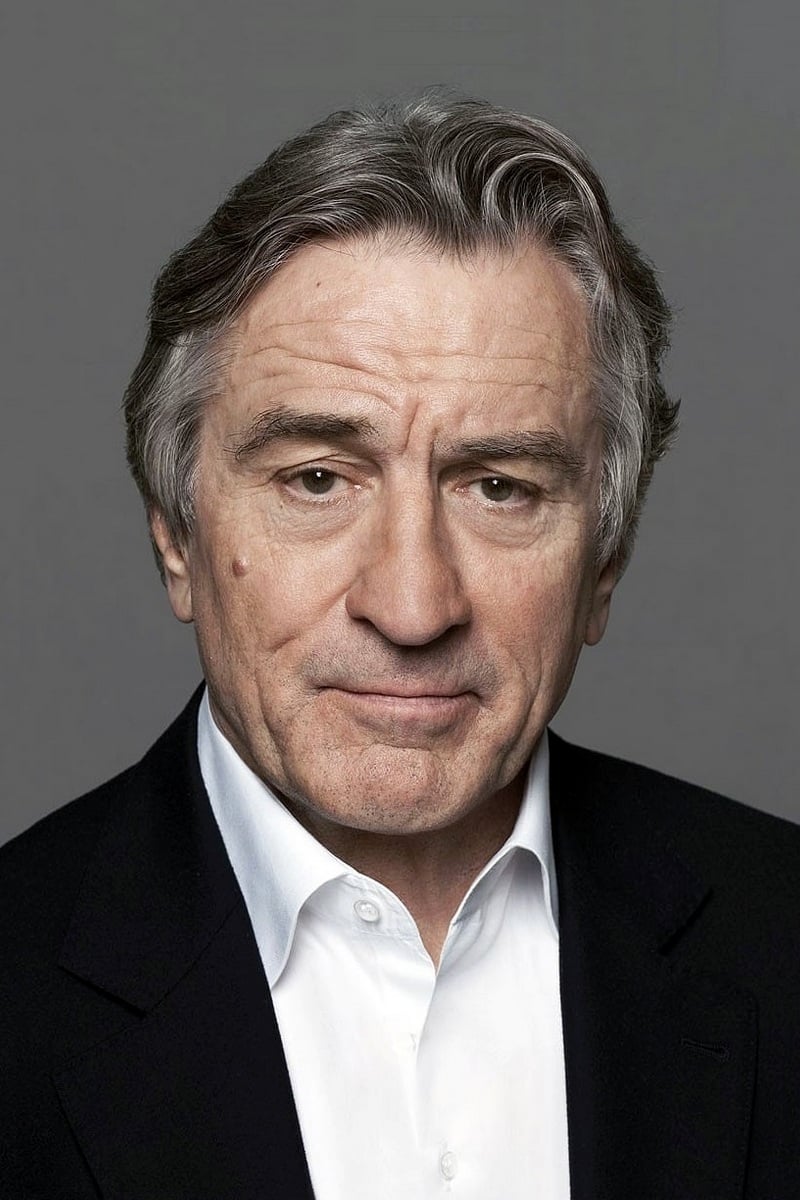
The film's genius lies in its structural daring. By intercutting young Vito Corleone's rise in 1910s New York with Michael's increasingly isolated reign in the 1950s, Coppola crafts a devastating parallel. Robert De Niro's performance as young Vito is a masterclass in understated menace and burgeoning authority, a stark contrast to Al Pacino's Michael, whose eyes, once burning with calculated ambition, now reflect a chilling, vacant despair. Pacino’s portrayal here is a slow, agonizing descent, a man consumed by the very empire he strives to protect. The film argues, subtly but powerfully, that the American Dream, when pursued through such violent means, inevitably becomes a nightmare.
Gordon Willis's cinematography remains a cornerstone, bathing the past in sepia tones that evoke a romanticized, yet brutal, immigrant struggle, while the present's colder, more clinical blues and grays underscore Michael's emotional sterility. This visual language is not just aesthetic; it’s narrative, guiding our perception of two distinct eras bound by a shared, bloody legacy.
If there's a minor quibble, it's that the sheer scope occasionally risks diluting the intimate familial drama that made the first film so potent. The expansion into Las Vegas, Hollywood, and Cuba, while essential to Michael's ambition, sometimes feels like a grand tour rather than a deeply personal journey. However, this is a small complaint against a film that achieves such monumental artistic heights. *The Godfather Part II* isn't just a film; it's a profound, almost Shakespearean tragedy, a cinematic achievement that continues to resonate with its unflinching portrayal of ambition's ultimate cost. It’s a masterpiece that demands, and rewards, repeated viewing.