The Godfather
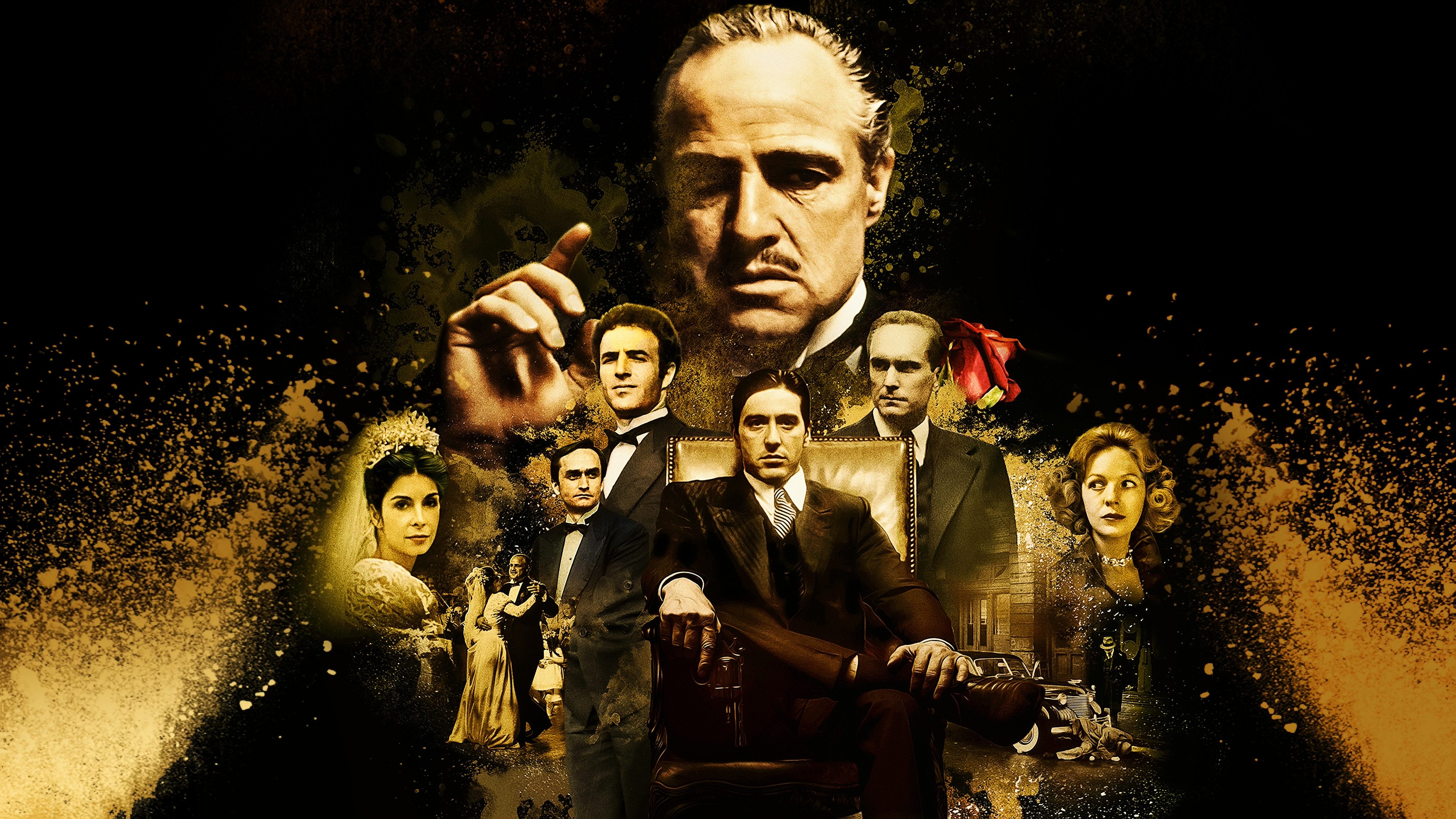
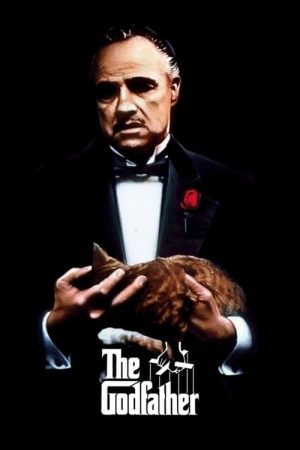
Spanning the years 1945 to 1955, a chronicle of the fictional Italian-American Corleone crime family. When organized crime family patriarch, Vito Corleone barely survives an attempt on his life, his youngest son, Michael steps in to take care of the would-be killers, launching a campaign of bloody revenge.


Where to watch


SakuraTv Review
Francis Ford Coppola’s *The Godfather* isn't merely a crime drama; it's a profound, almost operatic exploration of American power, family, and the corrosive nature of ambition. From its opening frames, the film establishes a world of shadows and whispered promises, a masterclass in mood. Gordon Willis’ cinematography, often bathed in a sepia-toned gloom, isn't just aesthetically pleasing; it’s a visual metaphor for the moral murkiness that defines the Corleone empire, where light struggles to penetrate.
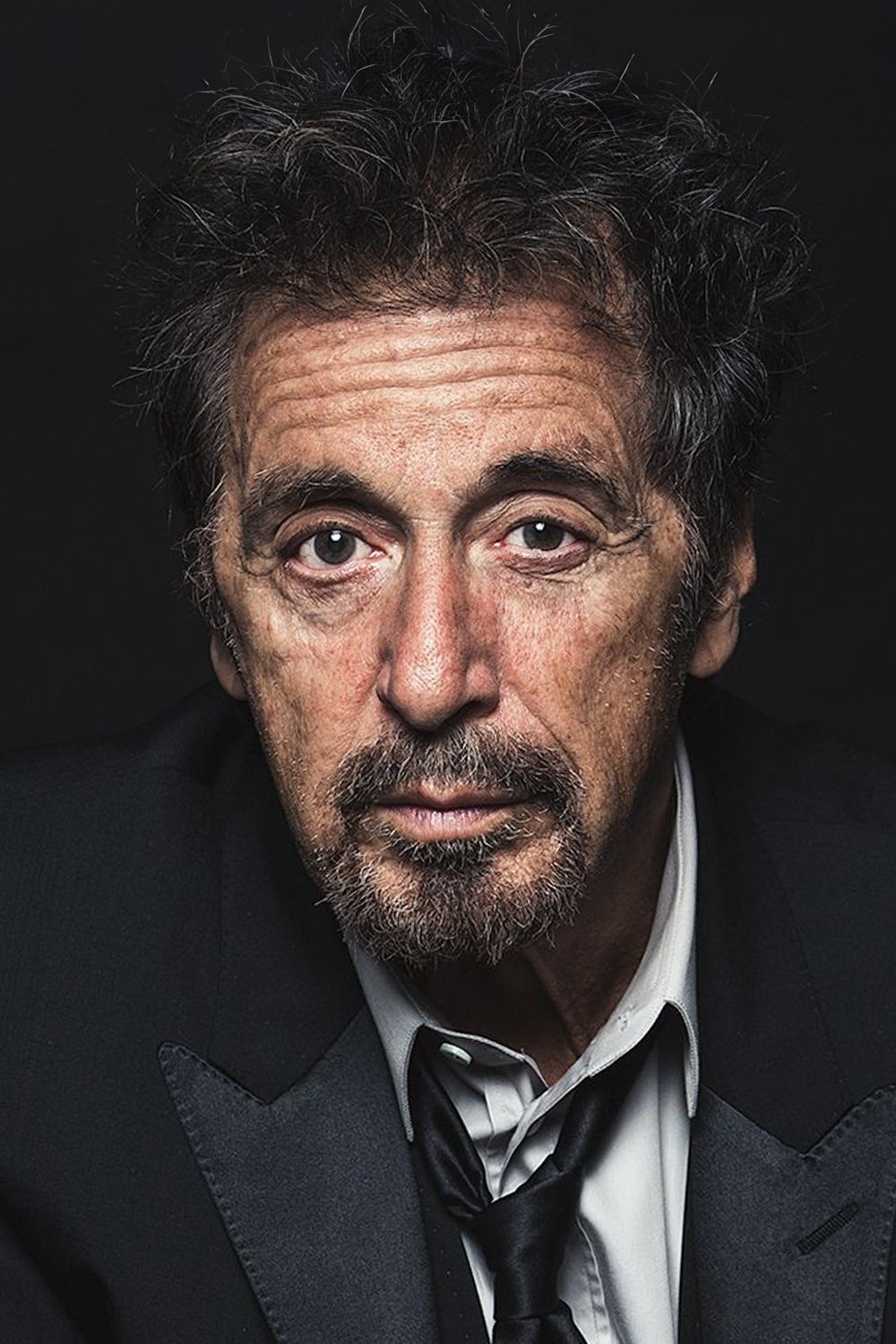
What truly elevates *The Godfather* beyond genre confines is its meticulous screenplay. Mario Puzo and Coppola craft a narrative spanning a decade, from 1945 to 1955, that feels both epic and intimately personal. The transition of Michael Corleone, played with chilling precision by Al Pacino, from reluctant outsider to ruthless patriarch is a slow, agonizing descent. Pacino’s quiet intensity, the subtle hardening of his gaze, speaks volumes where other actors might overplay. It's a performance built on internal conflict, not outward theatrics.
However, the film isn't without its minor stumbles. While the expansive cast generally excels, some peripheral characters, particularly those intended to showcase the family's broader network, occasionally feel underdeveloped, serving more as plot devices than fully fleshed individuals. The pacing, while deliberate and often masterful in building tension, can feel indulgent in certain sequences, momentarily disrupting the otherwise relentless momentum of Michael's transformation.
Yet, these are quibbles against a monumental achievement. Marlon Brando's Vito Corleone is legendary, a performance of understated authority and surprising vulnerability. Coppola’s direction is a powerful exercise in control, guiding us through a complex web of loyalty and betrayal without ever losing sight of the human cost. *The Godfather* is a cinematic benchmark, a work that demands not just viewing, but rigorous study, offering rich insights into the mechanics of power and the enduring, often tragic, bonds of family. It’s a film that resonates because it understands the art of storytelling on a primal level.