




Where to watch


SakuraTv Review
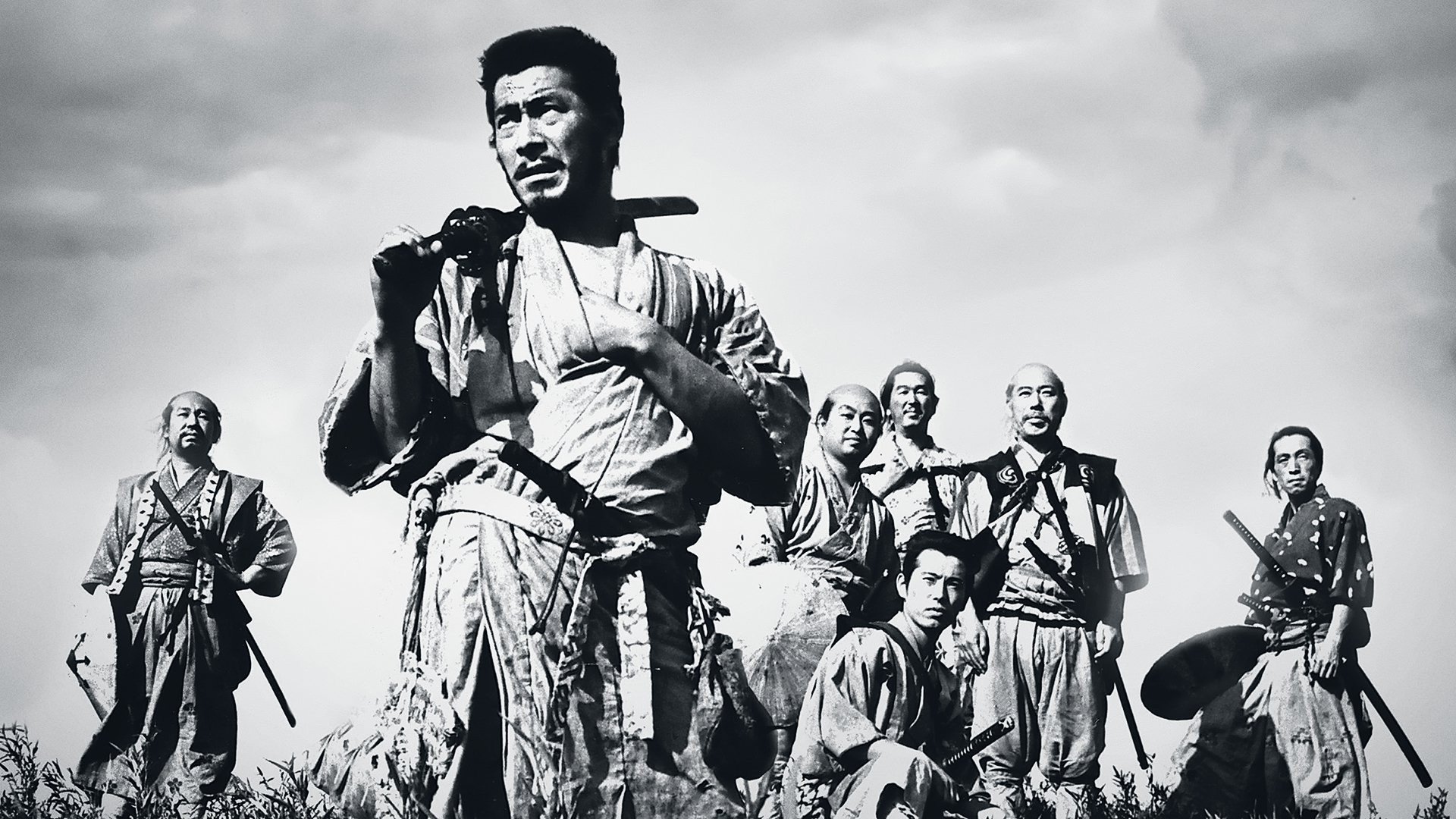
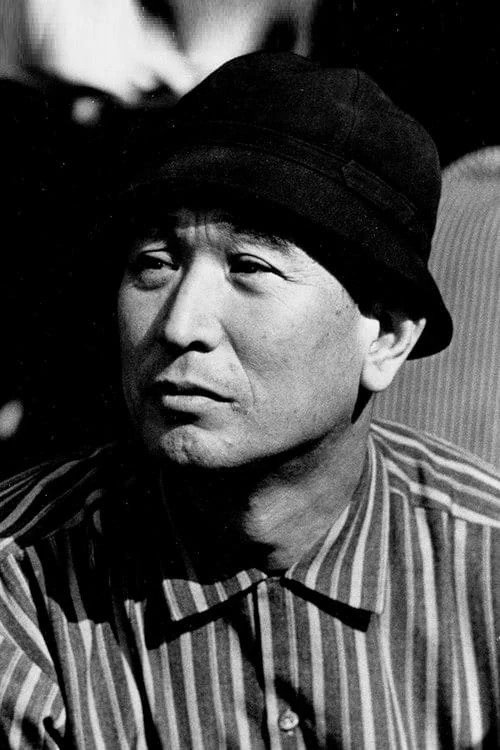
Akira Kurosawa’s 1954 epic, *Seven Samurai*, is often lauded as a foundational text in cinematic history, and rightly so. But to merely call it influential misses the intricate tapestry of human experience woven into its gargantuan runtime. This isn't just a tale of noble warriors defending a village; it's a profound dissection of class, desperation, and the fragile nature of heroism.
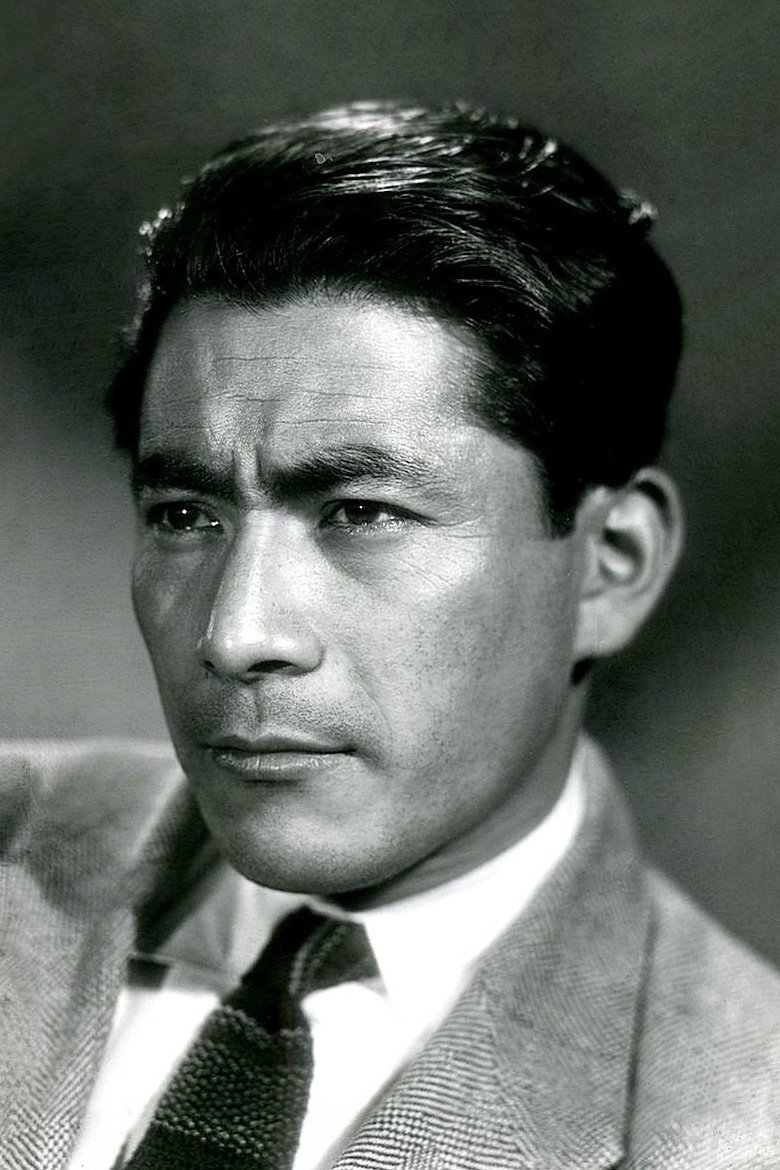
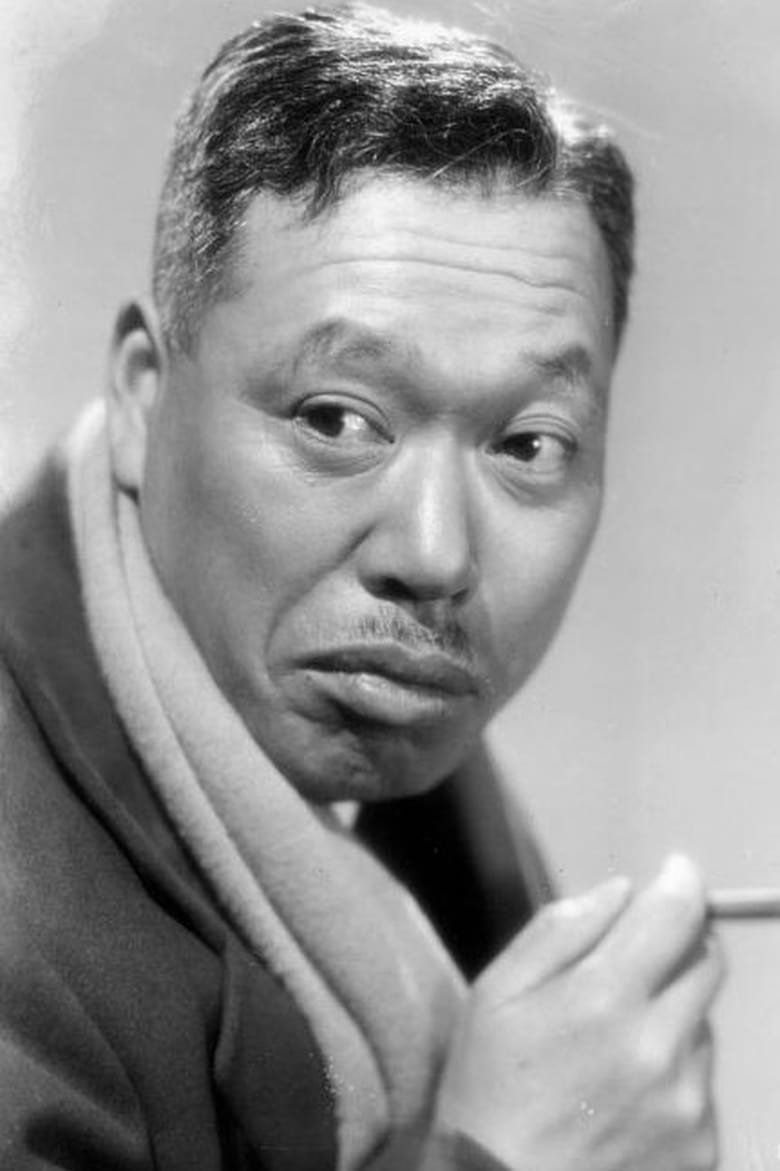
Kurosawa’s direction is a masterclass in dynamic storytelling. The opening sequence, with bandits looming on a ridge, immediately establishes a palpable sense of dread, amplified by the villagers' hushed whispers and fearful glances. He employs long shots to emphasize the isolation and vulnerability of the farming community, then masterfully cuts to close-ups that betray the inner turmoil of Shimura’s Kambei, the reluctant leader. The film’s pacing, often criticized for its length, is in fact its strength. It allows the audience to truly live within this world, to feel the slow burn of apprehension, the grind of preparation, and the brutal reality of conflict. Mifune’s performance as Kikuchiyo is a raw, untamed force, a whirlwind of comedic bluster and tragic vulnerability that grounds the ensemble. His initial chaotic energy eventually gives way to a poignant understanding of the villagers he’s sworn to protect, a transformation conveyed through subtle shifts in his posture and the haunted look in his eyes.
However, the film isn't without its narrative indulgences. The romantic subplot, while intended to soften the grim reality, occasionally feels like an unnecessary detour, momentarily pulling focus from the more compelling human drama of survival. While the ensemble is uniformly excellent, some of the individual samurai, particularly those beyond Kambei and Kikuchiyo, remain somewhat underdeveloped, serving more as archetypes than fully fleshed-out individuals. This is a minor quibble, perhaps, given the sheer scale of the narrative, but one that prevents it from achieving absolute perfection in character depth across the board.
Ultimately, *Seven Samurai* endures because it speaks to universal truths. It’s a testament to the human spirit’s resilience in the face of overwhelming odds, a stark portrayal of the sacrifices demanded by war, and a timeless exploration of what it means to truly protect. It is a cinematic monument, demanding attention and rewarding it with a deeply resonant experience that transcends its genre.