










Where to watch


SakuraTv Review
Steven Spielberg’s *Schindler’s List* is not merely a film; it is a monumental act of cinematic remembrance, a stark, black-and-white canvas upon which humanity’s darkest hours and its most profound acts of grace are etched. To dismiss it as mere historical drama is to miss the meticulous craft behind its harrowing narrative.
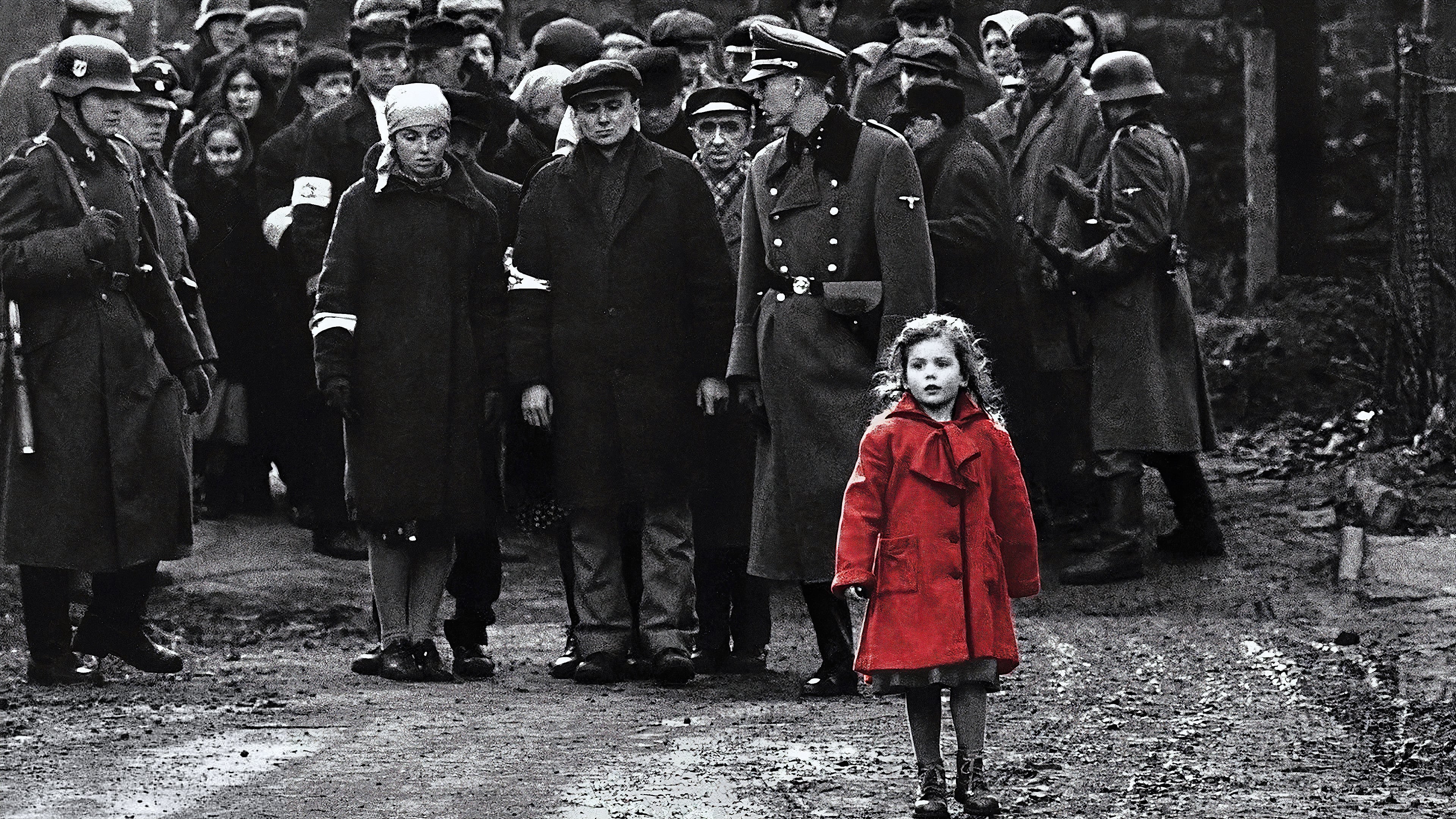
Spielberg, often criticized for saccharine sentimentality, here wields his directorial prowess with an almost surgical precision. The choice of black and white cinematography, beyond its obvious historical resonance, strips away any potential for aestheticizing the horror. It forces the eye to focus on the stark realities of survival and persecution. The famous red coat of the little girl is not just a splash of color; it’s a silent scream, a visual indictment of the apathy that allowed such atrocities to unfold, making her visible even as the world turned a blind eye. This isn't just a stylistic flourish; it's a profound artistic statement on memory and perception.
Liam Neeson’s portrayal of Oskar Schindler is a masterclass in moral ambiguity and gradual awakening. He doesn't begin as a saint, but as a shrewd opportunist. Neeson subtly conveys Schindler's transformation, from a calculated businessman exploiting cheap labor to a desperate savior leveraging his every connection. Ben Kingsley’s Itzhak Stern is his quiet, moral counterpoint, the conscience that slowly chips away at Schindler’s cynicism. Ralph Fiennes, as Amon Goeth, is chillingly authentic, embodying an evil so casual it feels less like performance and more like possession. His scenes are difficult to watch, not because of overt gore, but because of the terrifying banality of his cruelty.
However, the film, for all its power, isn't without its narrative complexities. While honoring the victims, a lingering question persists: does the focus on a German savior inadvertently soften the edges of collective guilt? Spielberg navigates this by centering Schindler’s journey, making it a testament to individual courage within systemic horror, rather than a broad historical overview. The film’s 195-minute runtime is daunting, yet essential; it allows the weight of each life saved, each horror endured, to settle upon the viewer. *Schindler’s List* demands to be watched, not as entertainment, but as a vital, if painful, lesson in the enduring capacity for both depravity and redemption. It is cinema as history, and history as art.