









Where to watch


SakuraTv Review
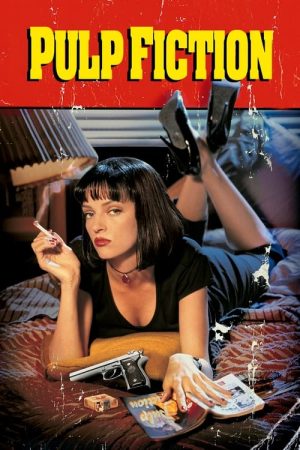
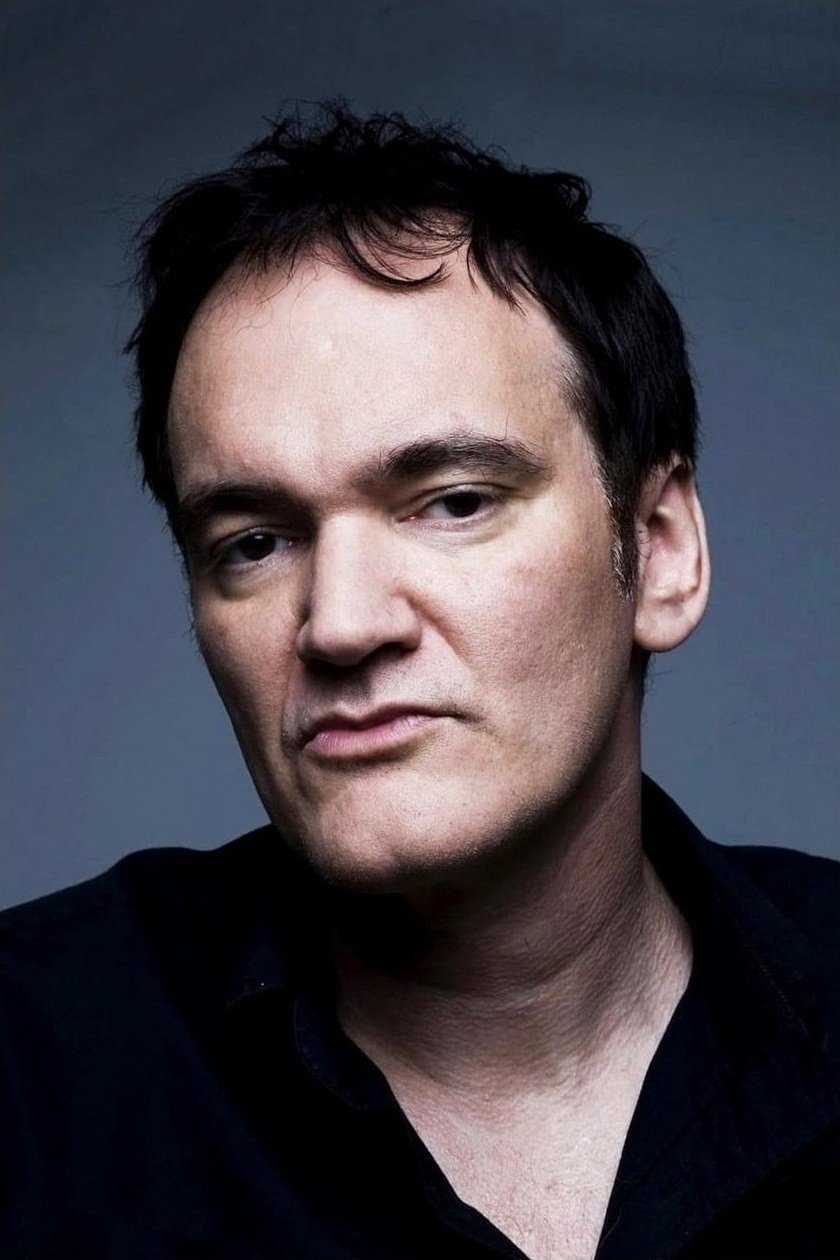
Quentin Tarantino’s *Pulp Fiction* is not merely a film; it is a declaration, a gauntlet thrown at the feet of conventional narrative. Released in 1994, it detonated across the cinematic landscape, a kaleidoscopic explosion of non-linear storytelling and unforgettable dialogue. To call it a "crime caper" is to miss the point entirely; this is a meticulously crafted mosaic, each shard reflecting a distorted, yet profoundly human, facet of its underworld denizens.
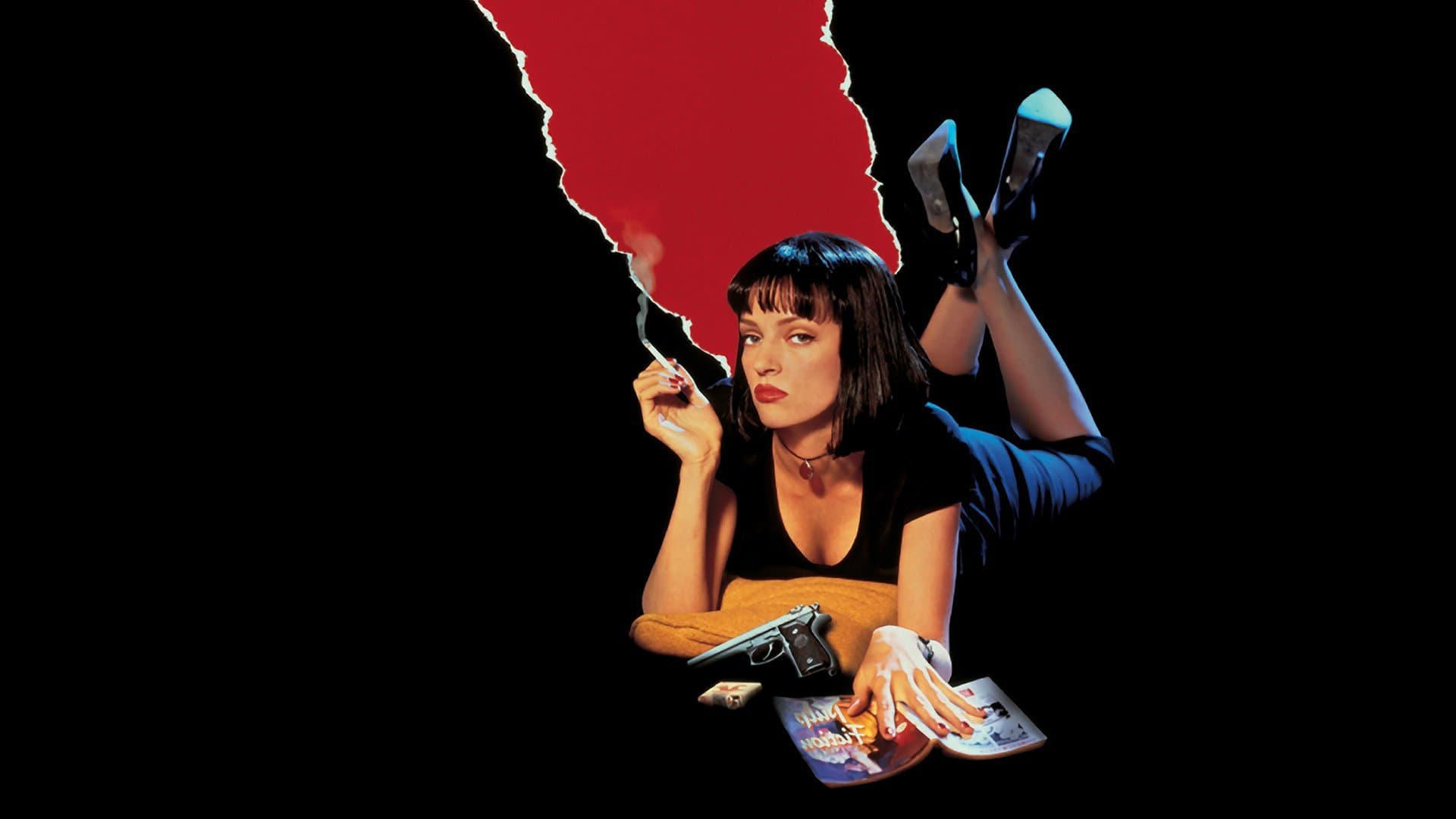
Tarantino's direction here is less about guiding a plot and more about orchestrating a symphony of idiosyncrasies. The camera lingers on mundane details – a conversation about foot massages, the precise contents of a wallet – imbuing them with an almost spiritual weight. This isn't realism, but a hyper-realism, where every utterance and gesture feels both spontaneous and profoundly deliberate. The screenplay, arguably the film's beating heart, elevates street slang and pop culture references into a form of philosophical discourse. Jules Winnfield’s biblical pronouncements, delivered with Samuel L. Jackson’s electrifying gravitas, transform a hitman into an unlikely prophet, forcing the audience to grapple with redemption in the most unexpected places. John Travolta’s Vincent Vega, a heroin-addled hitman, embodies a kind of lost innocence, his dance with Uma Thurman’s Mia Wallace a fleeting, iconic moment of vulnerability amidst the violence.
However, the film’s celebrated non-linearity, while groundbreaking, occasionally verges on self-indulgence. While it masterfully builds suspense and offers fresh perspectives on familiar tropes, there are moments where the deliberate fragmentation feels more like a stylistic exercise than an organic narrative choice. The "washed-up boxer" storyline, while providing Bruce Willis with ample opportunity to flex his stoic charm, sometimes feels slightly less integrated into the overarching tapestry compared to the intertwined fates of Jules, Vincent, and Mia.
Despite these minor quibbles, *Pulp Fiction* remains a towering achievement. It redefined what popular cinema could be, proving that art could be both intellectually stimulating and viscerally thrilling. It demands engagement, challenging viewers to piece together its fractured timeline, and rewarding them with a rich, endlessly rewatchable experience. Its influence is undeniable, a testament to Tarantino’s audacious vision and his profound understanding of cinema as a medium for both entertainment and profound artistic expression.