Life Is Beautiful
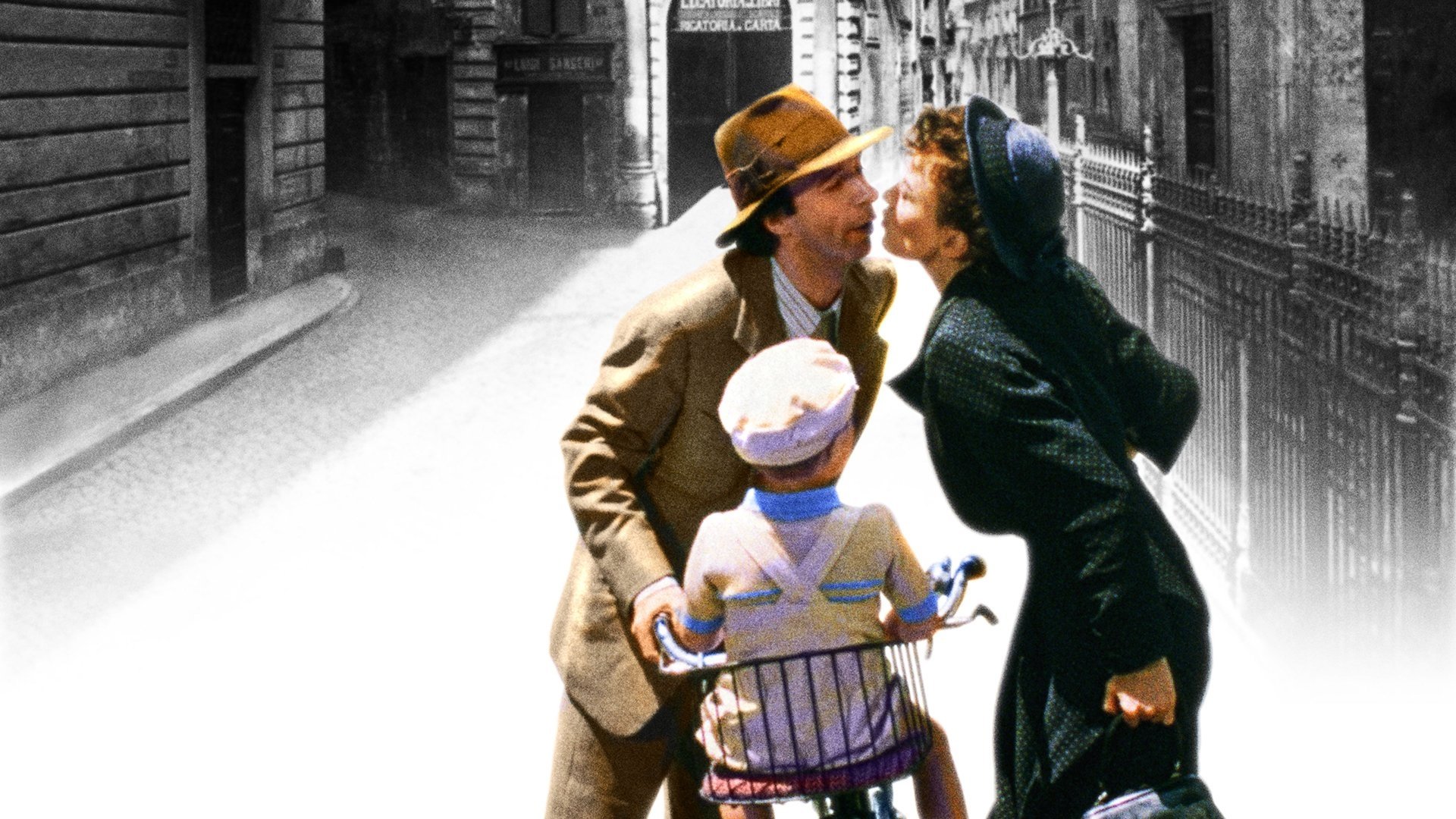
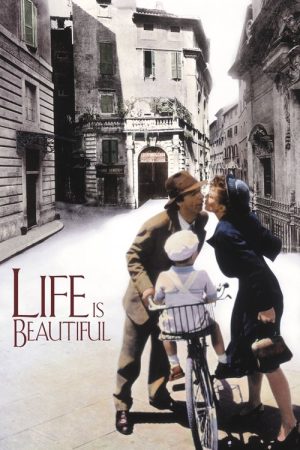
A touching story of an Italian book seller of Jewish ancestry who lives in his own little fairy tale. His creative and happy life would come to an abrupt halt when his entire family is deported to a concentration camp during World War II. While locked up he tries to convince his son that the whole thing is just a game.






Where to watch


SakuraTv Review
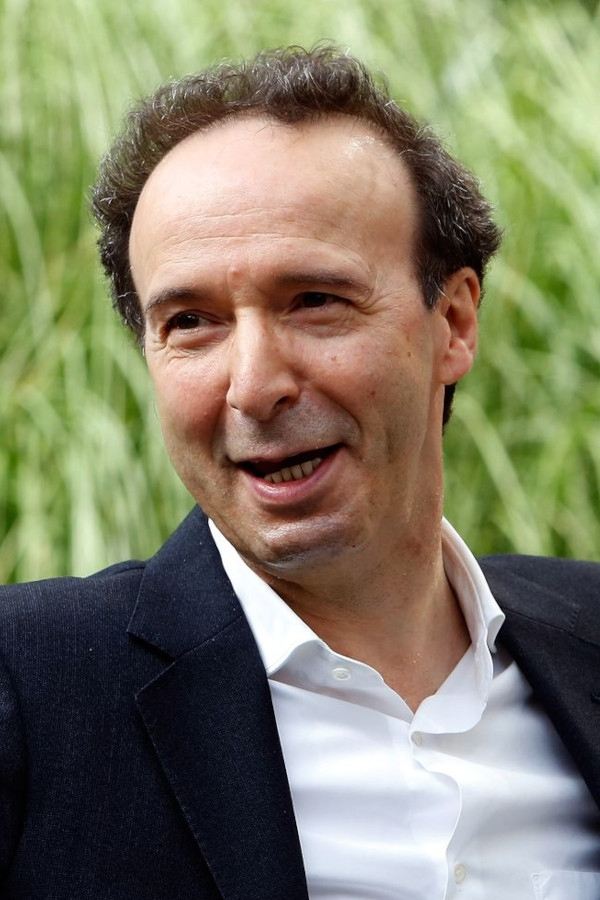
Roberto Benigni’s “Life Is Beautiful” is a film that dares to dance on the precipice of the unimaginable, a high-wire act of tone that, against all odds, largely succeeds. Benigni, both director and star, presents Guido, a man whose ebullient spirit is so boundless it threatens to eclipse the grim realities of his era. This isn't just a tale of survival; it’s a philosophical treatise on the power of perspective, even when that perspective must be painstakingly, agonizingly manufactured.
The film's most striking artistic choice is its audacious tonal shift. The early scenes are pure, unadulterated Italian farce, a whirlwind of comedic timing and exaggerated charm. Benigni’s performance is a masterclass in physical comedy, a human cartoon whose antics are both endearing and, at times, almost exhausting. This prelude, however, is not mere fluff; it establishes Guido's inherent optimism, a foundation upon which the film's harrowing second half is built. When the narrative pivots to the concentration camp, the world darkens, yet Guido’s light, though dimmed, is never extinguished. His elaborate game to shield his son, Giosuè, from the horrors around them is the film's beating heart. It’s a testament to paternal love, but also a stark, uncomfortable reminder of the human capacity for denial as a coping mechanism.
Where the film occasionally falters is in its very daring. There are moments when the whimsy, while well-intentioned, brushes against the profound gravity of its subject matter in a way that feels almost glib. One might argue that the depiction of the camp, while focusing on the internal struggle, sanitizes the brutality to a degree. This isn't a criticism of its sentiment, but rather of the potential for its narrative choices to soften the historical blow for some viewers. However, the sheer conviction of Benigni’s vision, and Nicoletta Braschi’s understated yet powerful portrayal of Dora, ground the fantasy in a deeply human anguish.
"Life Is Beautiful" is not a historical document, nor does it claim to be. It is a fable, a cinematic poem about finding joy in the darkest corners of human experience. It challenges us to consider the resilience of the human spirit, and the lengths to which love will go to protect innocence. It’s a film that demands to be discussed, debated, and ultimately, felt.