
Grave of the Fireflies
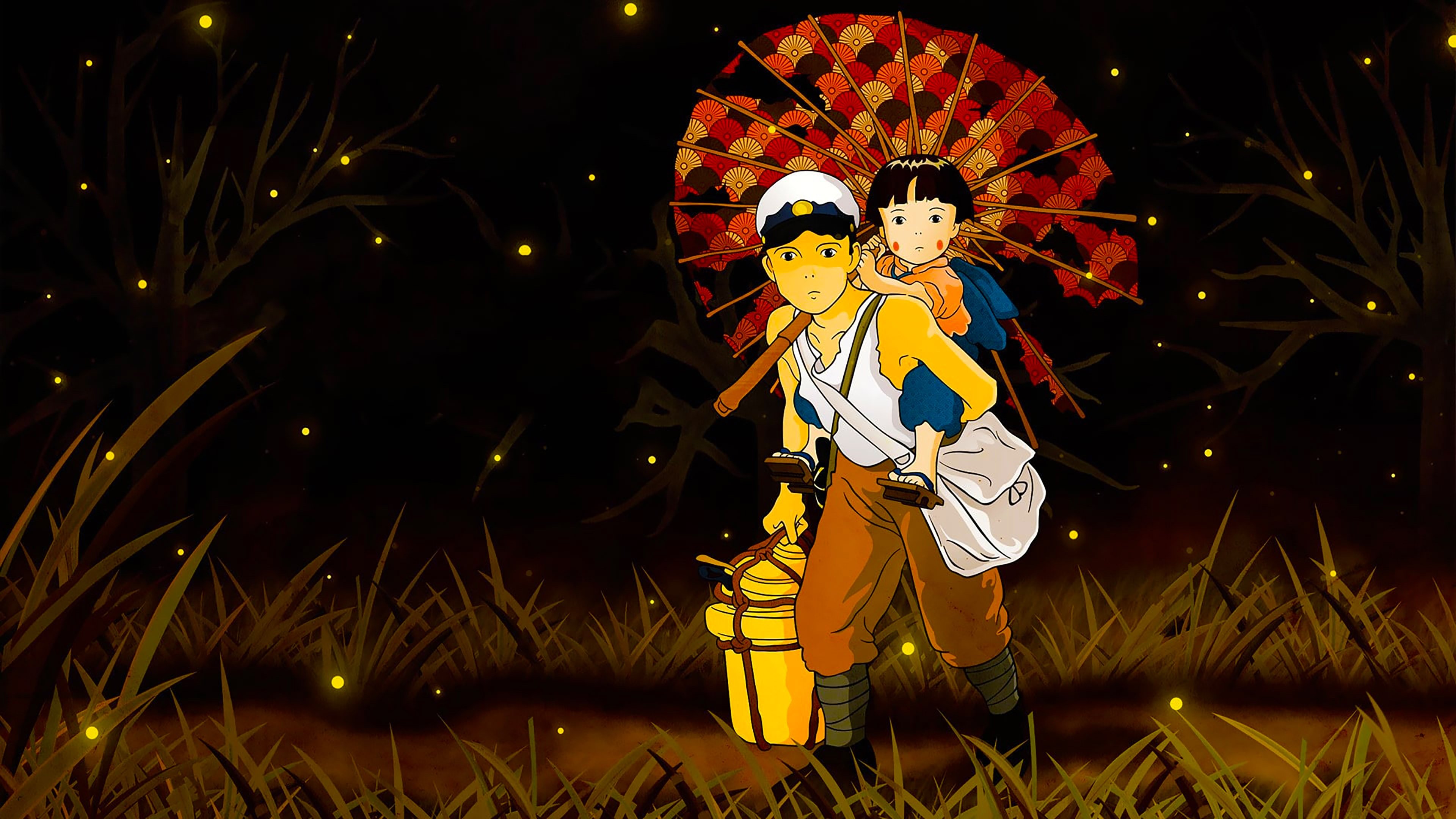
In the final months of World War II, 14-year-old Seita and his sister Setsuko are orphaned when their mother is killed during an air raid in Kobe, Japan. After a falling out with their aunt, they move into an abandoned bomb shelter. With no surviving relatives and their emergency rations depleted, Seita and Setsuko struggle to survive.



Where to watch


SakuraTv Review
Isao Takahata’s 1988 “Grave of the Fireflies” is not merely an animated film; it is a searing indictment, a meticulously crafted scar on the cinematic landscape that dares to challenge our comfortable distance from history’s cruelest moments. To dismiss it as just a sad movie is to misunderstand its profound artistry and its unblinking gaze into the abyss of human suffering.
Takahata, with a director’s precision, eschews traditional narrative arcs of heroism or redemption. Instead, he presents a raw, almost documentary-like descent into despair through the eyes of orphaned siblings, Seita and Setsuko. The screenplay, rather than relying on heavy exposition, trusts the visual language to convey the escalating tragedy. We witness the slow erosion of their childhood, not through grand pronouncements, but through the diminishing light in Setsuko’s eyes or the increasingly desperate ingenuity of Seita. The cinematography, particularly the use of vibrant colors that slowly fade into a muted palette reflecting their dwindling hope, is a masterful stroke. The fireflies themselves, initially a fleeting joy, become a poignant, almost macabre symbol of ephemeral life and the beauty found even in decay.
However, the film’s strength in its unyielding bleakness can also be its most challenging aspect. While the performances, particularly Tsutomu Tatsumi as Seita, are heartbreakingly authentic, the relentless march towards an inevitable, tragic conclusion can feel, at times, more like an endurance test than a narrative journey. There is a deliberate absence of external intervention or a turning point, which, while true to its anti-war message, leaves the audience with little emotional leverage beyond profound sorrow. Yet, this is precisely Takahata’s point: war offers no easy outs, no comforting resolutions.
“Grave of the Fireflies” is not entertainment; it is a vital, albeit agonizing, piece of art that demands introspection. It is a cinematic echo of a forgotten scream, a stark reminder that the cost of conflict is always paid by the innocent. Its brilliance lies in its refusal to sugarcoat, forcing us to confront the uncomfortable truth that even children are not exempt from war’s brutal arithmetic.