Dilwale Dulhania Le Jayenge
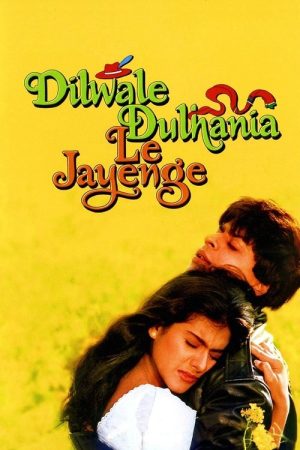
Raj is a rich, carefree, happy-go-lucky second generation NRI. Simran is the daughter of Chaudhary Baldev Singh, who in spite of being an NRI is very strict about adherence to Indian values. Simran has left for India to be married to her childhood fiancé. Raj leaves for India with a mission at his hands, to claim his lady love under the noses of her whole family. Thus begins a saga.





Where to watch


SakuraTv Review
To consider Aditya Chopra's 1995 phenomenon, *Dilwale Dulhania Le Jayenge*, solely as a romantic comedy is to miss the subtle, yet potent, cultural negotiation at its core. This isn't merely a tale of star-crossed lovers; it’s a cinematic Rosetta Stone for a generation grappling with identity. Chopra, in his directorial debut, crafts a narrative that, while ostensibly lighthearted, delves into the complex dance between tradition and modernity.
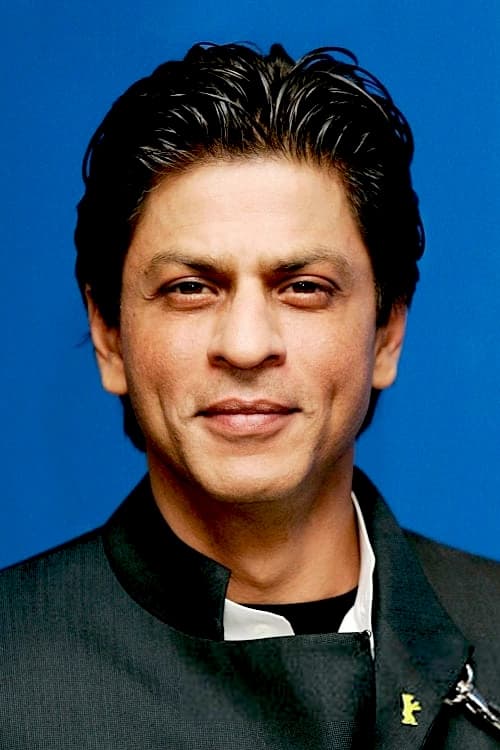
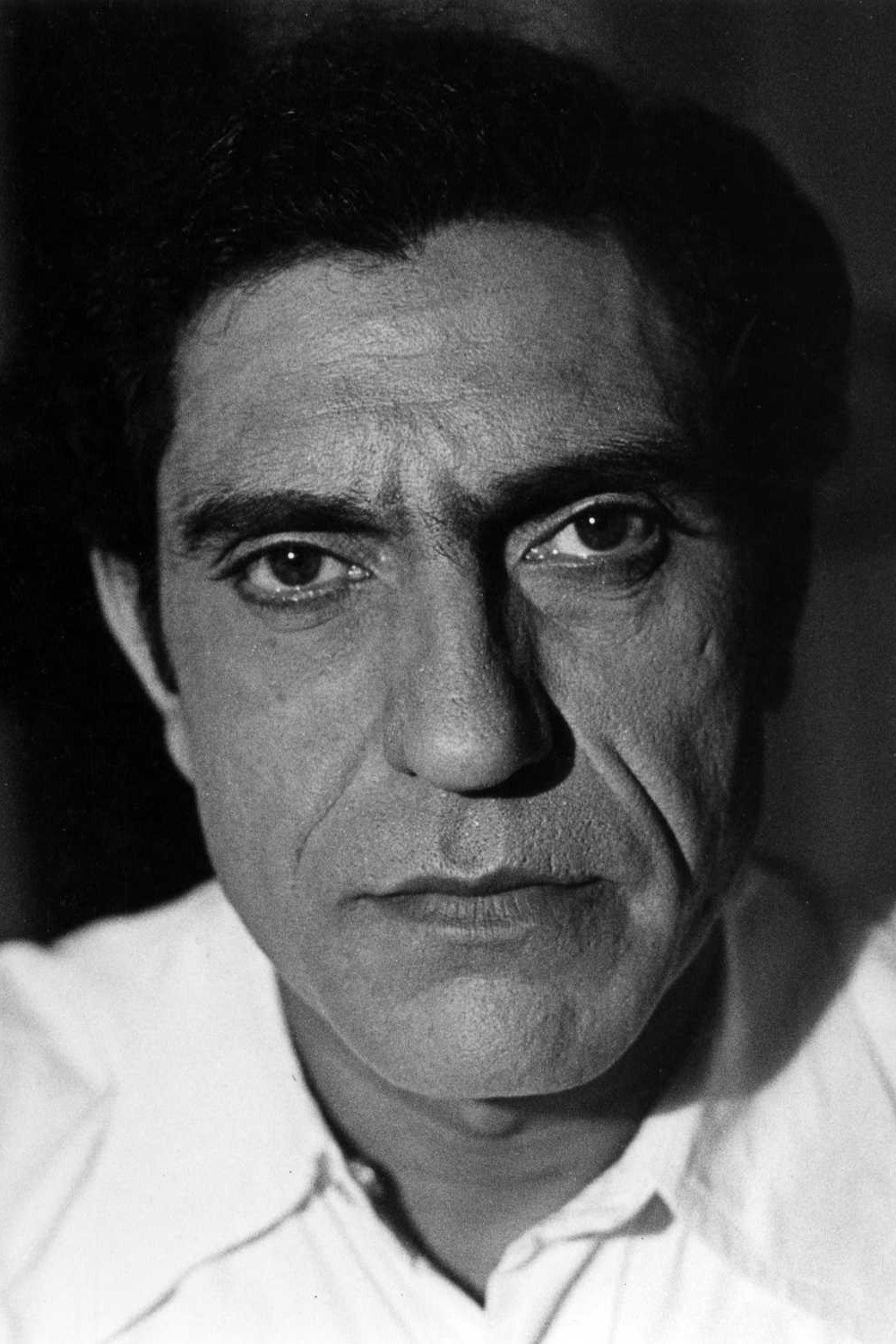
The film's strength lies in its audacious commitment to a seemingly anachronistic premise: Raj (Shah Rukh Khan), the embodiment of Westernized exuberance, winning over Simran’s (Kajol) staunchly traditional father, Chaudhary Baldev Singh (Amrish Puri), without eloping. This isn't just a plot device; it's a dramatic thesis. Chopra’s direction, particularly in the European sequence, uses vibrant, almost postcard-perfect cinematography to establish Raj and Simran’s burgeoning, unburdened romance. The shift to India sees a visual tightening, a deliberate framing that emphasizes the familial gaze and the weight of expectation.
Shah Rukh Khan, often criticized for his theatricality, here weaponizes it. His performance as Raj is a masterclass in charming subversion – he’s a rogue with a heart of gold, using humor and charisma to chip away at rigid ideologies. Kajol, as Simran, balances vulnerability with an inner steel, her longing palpable yet always tempered by duty. Amrish Puri, however, is the film’s anchoring force. His portrayal of Baldev Singh is not a caricature of the strict patriarch, but a man deeply rooted in his values, whose eventual concession feels earned, not simply given.
Where the film occasionally falters is in its duration. At 190 minutes, certain sequences, particularly the musical numbers, while iconic, sometimes detract from the narrative momentum. The comedic elements, while generally effective, can lean into broad strokes that dilute the more nuanced themes of cultural clash and reconciliation. Yet, even these moments serve a purpose, offering a necessary lightness before returning to the central dramatic tension.
Ultimately, *Dilwale Dulhania Le Jayenge* is more than a blockbuster; it’s a cultural touchstone. It challenged the prevailing cinematic trope of elopement, arguing for a path where love could coexist with respect for heritage. It’s a bold artistic statement, wrapped in the accessible language of romance, proving that mass appeal doesn't preclude profound commentary. Its legacy isn't just in ticket sales, but in its articulation of a dream: to find love without losing oneself or one’s roots.