Japanese Folklore & Mythology: 5 Iconic Creatures Revealed
Anúncios
From ancient folklore to modern anime, Japanese mythic beings continue to capture global imagination.
5 Iconic Creatures in Japanese Folklore Mythology breaks down five legendary figures, exploring their historical origins, cultural meaning, and how they continue to shape modern storytelling.
Anúncios
The Enduring Allure of Japanese Folklore Mythology
Japanese folklore mythology is a vast and intricate domain, populated by a diverse array of supernatural beings known collectively as yōkai.
These creatures range from benevolent spirits to terrifying demons, each with unique characteristics and narratives.
The cultural significance of these figures cannot be overstated, as they are deeply woven into the fabric of Japanese society, influencing art, literature, festivals, and daily superstitions.
Anúncios
Their presence reflects a worldview where the spiritual and natural worlds are intrinsically linked.
In modern storytelling, these ancient myths provide a fertile ground for creators, ensuring that the legacy of these iconic creatures continues to evolve and resonate with new generations globally.
Their adaptability allows them to transcend time and cultural barriers.
Kitsune: The Cunning Fox Spirit
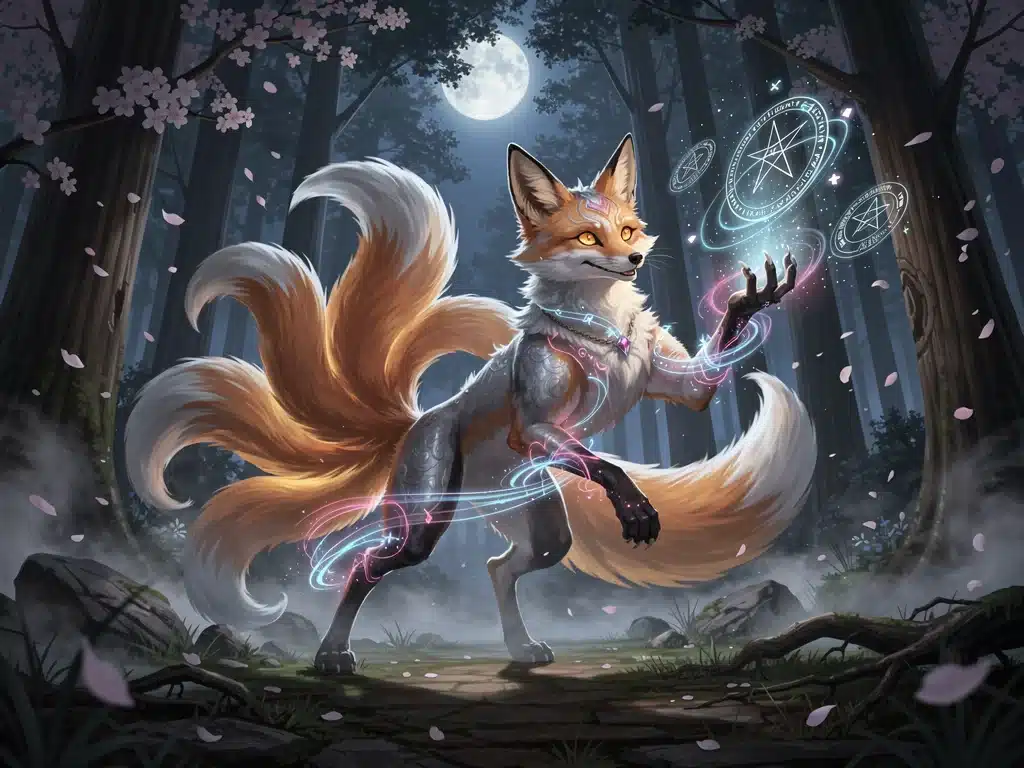
The Kitsune, or fox spirit, stands as one of the most recognizable and complex figures in Japanese folklore mythology.
These intelligent beings are renowned for their shapeshifting abilities, often taking human form, and their varying moral alignments.
Kitsune are typically depicted as possessing immense wisdom, long life, and magical powers, which increase with the number of tails they possess, up to nine.
They can be benevolent guardians, loyal companions, or mischievous tricksters, depending on the tale.
Their cultural significance is deeply rooted in their association with Inari Ōkami, the Shinto kami of rice, sake, and fertility, serving as their messengers and guardians.
This connection grants them a revered status in many shrines across Japan.
Origins and Characteristics of the Kitsune
The origins of the Kitsune are varied, with some theories suggesting influences from ancient Chinese fox spirits, while others point to indigenous Japanese beliefs about foxes.
Regardless of their exact genesis, they have become quintessentially Japanese.
Their powers include illusion, possession, and the ability to generate foxfire (kitsunebi), mysterious lights seen in forests at night. These abilities are often used to deceive humans, test their virtue, or sometimes even to grant wishes.
- Shapeshifting into human form, usually a beautiful woman.
- Possession of individuals, particularly vulnerable ones.
- Generation of foxfire, mysterious ethereal lights.
- Exceptional intelligence and a keen understanding of human nature.
Kitsune in Modern Storytelling
In contemporary Japanese media, Kitsune continue to be immensely popular, appearing in anime, manga, video games, and literature. Their duality as both benevolent and malevolent figures makes them compelling characters.
From the protective Ninetales in Pokémon to the cunning Yoko Kurama in Yu Yu Hakusho, Kitsune embody a versatile archetype that can be adapted to various genres and narratives. Their mystique remains undiminished.
Oni: The Demonic Ogre
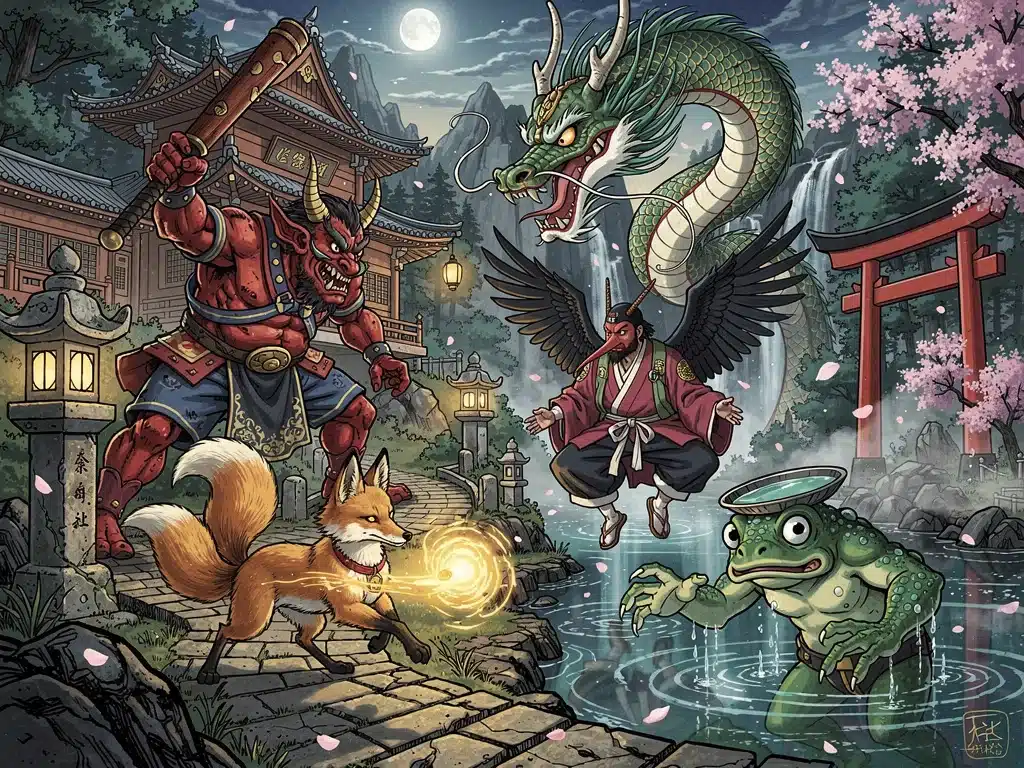
Oni are perhaps the most fearsome and iconic demons in Japanese folklore mythology, often depicted as large, hulking figures with sharp claws, wild hair, and two long horns protruding from their heads.
They typically wield iron clubs called kanabō.
These ogres are associated with evil, destruction, and malevolence, often serving as tormentors in hell (Jigoku) or as bringers of disaster in the human world.
They are figures of both terror and fascination, representing the darker aspects of human nature.
Despite their terrifying appearance, Oni are not always purely evil; some tales portray them as reformed beings or even protectors, highlighting the nuanced moral landscape of Japanese folklore. This complexity adds depth to their character.
The Role and Symbolism of Oni
Oni symbolize various negative aspects, including disease, calamity, and general misfortune. They are often seen as manifestations of evil spirits or the angry souls of humans who have committed grave sins.
Festivals like Setsubun (Bean-Throwing Festival) involve rituals to drive away Oni, symbolizing the expulsion of evil and welcoming of good fortune. This practice underscores their enduring presence in cultural consciousness.
- Guardians of the underworld in Buddhist mythology.
- Bringers of natural disasters and plagues.
- Symbols of evil and malevolence, often depicted in red or blue.
- Figures to be repelled during annual purification rituals.
Oni in Modern Japanese Culture
Oni have a strong presence in modern Japanese entertainment, appearing in numerous anime, manga, and video games. Their intimidating appearance and formidable strength make them popular antagonists or powerful allies.
Characters such as Akuma from Street Fighter or various demons in the Demon Slayer series draw heavily from the Oni archetype, showcasing their continued relevance. Their visual impact makes them instantly recognizable.
Tengu: The Mountain Goblin
The Tengu are legendary creatures from Japanese folklore mythology, typically depicted as part human, part bird beings, often possessing large noses or beaks and wings.
They are associated with mountains and forests, embodying both divine and demonic characteristics.
These powerful yōkai are skilled martial artists and often serve as protectors of sacred mountains and forests, though they can also be mischievous or vengeful spirits. Their moral ambiguity is a defining trait.
Tengu are also known for their ascetic practices and their knowledge of swordsmanship, often appearing as wise hermits or formidable warriors in tales. They represent a connection to nature’s wild, untamed aspects.
Varieties and Powers of Tengu
There are two main types of Tengu: the Karasu Tengu, who have beaks and are more bird-like, and the Daitengu, who have human-like faces with long noses and are often depicted with a red complexion. Both possess formidable powers.
Their abilities include flight, shapeshifting, telekinesis, and the power to create storms. They are also known for their mastery of weapons, particularly the katana, and their ability to incite panic or confusion.
- Flight and swift movement through the air.
- Shapeshifting into various forms, including humans and animals.
- Telekinetic abilities, manipulating objects with their minds.
- Inciting storms or strong winds as a display of power.
Tengu’s Influence on Modern Media
Tengu feature prominently in modern Japanese media, often as wise mentors, formidable adversaries, or mystical figures with a connection to ancient traditions. Their distinct appearance makes them iconic.
From characters in the Persona series to various anime and manga, Tengu continue to be popular representations of supernatural power and martial prowess. Their blend of human and avian features offers unique visual potential.
Kappa: The Water Imp
Kappa are amphibious humanoids found in Japanese folklore mythology, typically inhabiting rivers, lakes, and ponds.
They are often depicted with a turtle-like shell, webbed hands and feet, and a dish-like indentation on their heads that must remain filled with water for them to retain their strength.
These creatures are known for their dual nature: they can be mischievous and dangerous, known for drowning people and animals, but also polite and honorable, capable of teaching humans about medicine or wrestling if respected.
The Kappa’s existence serves as a cautionary tale for children near water bodies, emphasizing the dangers of rivers. Yet, they also symbolize the balance between nature’s beauty and its inherent perils.
Kappa Legends and Interactions
Kappa are said to love cucumbers, and offerings of this vegetable are often made to appease them. They are also obsessed with sumo wrestling and can be tricked into bowing, causing the water in their head-dish to spill, thus weakening them.
Many shrines and temples across Japan feature Kappa statues, and local legends abound about encounters with these elusive water imps. These stories often highlight the importance of respecting nature.
The Kappa’s Presence in Popular Culture
Kappa have made numerous appearances in modern Japanese popular culture, from children’s books and anime to video games and films. Their distinctive appearance and quirky behaviors make them memorable characters.
Characters like the Kappa in Animal Crossing or various water creatures in Japanese fantasy series draw inspiration from these traditional imps. Their blend of cuteness and potential danger offers a unique narrative dynamic.
Ryū (Japanese Dragon): The Divine Serpent
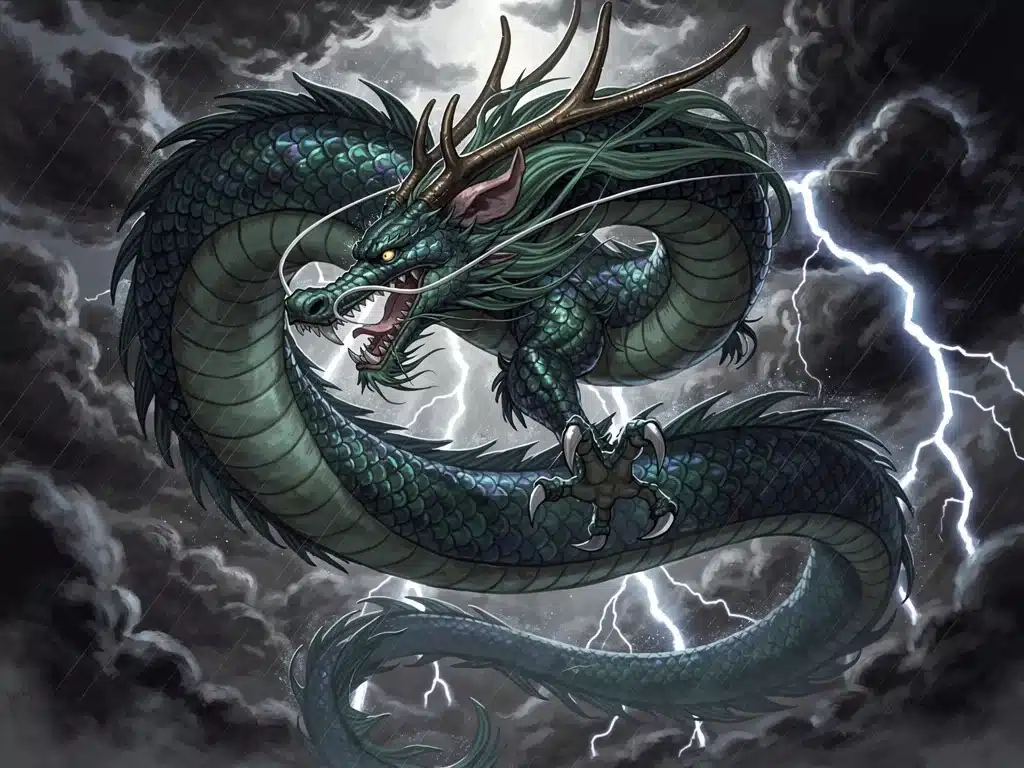
The Ryū, or Japanese Dragon, is a legendary creature in Japanese folklore mythology, often depicted as a large, serpent-like being with claws, but typically without wings.
Unlike their Western counterparts, Japanese dragons are generally benevolent and associated with water, rainfall, and bodies of water.
These divine beings symbolize wisdom, strength, good fortune, and protection. They are revered as deities who control the elements, bringing rain for crops and ensuring prosperity. Their presence is often a sign of good omens.
Ryū are deeply intertwined with Shinto and Buddhist beliefs, frequently appearing in temple art, imperial symbolism, and religious ceremonies. They represent a powerful connection to the natural world and cosmic order.
Mythology and Cultural Significance of Ryū
Japanese dragons are often associated with specific bodies of water, such as lakes, rivers, or the ocean, acting as their guardians. Legends tell of dragon kings residing in underwater palaces, controlling the sea currents.
They are also linked to emperors and imperial power, symbolizing the emperor’s divine right to rule and his role as a benevolent protector of the nation. This connection elevates their status beyond mere mythical beasts.
- Controllers of water, associated with rainfall and the seas.
- Symbols of imperial power and divine authority.
- Guardians of underwater palaces and treasures.
- Embodiments of wisdom, strength, and good fortune.
Japanese Dragons in Contemporary Storytelling
Japanese dragons continue to be a powerful motif in modern storytelling, appearing in countless anime, manga, video games, and films. Their majestic appearance and benevolent nature make them popular figures of power and guidance.
From the iconic dragon Shenron in Dragon Ball to the various serpentine deities in Studio Ghibli films like Spirited Away, Ryū maintain a prominent role in popular culture. Their imagery evokes a sense of ancient power and spiritual connection.
The Enduring Legacy of Japanese Folklore Mythology
The creatures of Japanese folklore mythology offer a window into the cultural soul of Japan, reflecting ancient fears, hopes, and beliefs. Their stories have been passed down through generations, shaping the collective imagination.
These iconic beings, from the cunning Kitsune to the majestic Ryū, continue to inspire and entertain, proving the timeless appeal of these rich narratives. Their adaptability ensures their relevance in an ever-changing world.
As modern storytellers reinterpret these legends, they ensure that the magic and wisdom of Japanese folklore remain vibrant and accessible to new audiences, perpetuating a legacy that bridges past and present.
| Creature | Key Characteristics |
|---|---|
| Kitsune | Shapeshifting fox spirits, intelligent, associated with Inari Ōkami. |
| Oni | Demonic ogres, often red/blue, horned, wield kanabō, symbolize evil. |
| Tengu | Mountain goblins, bird-like or long-nosed, skilled martial artists. |
| Kappa | Amphibious water imps, turtle-like, dish on head, mischievous yet honorable. |
Frequently Asked Questions About Japanese Folklore Creatures
Kitsune are highly significant, serving as messengers of Inari Ōkami, the Shinto deity of rice and fertility. They embody intelligence, shapeshifting, and often a dual nature, making them revered yet sometimes feared figures in Japanese folklore mythology.
Oni are generally depicted as fearsome, horned ogres with red or blue skin, wielding iron clubs. They symbolize evil, disaster, and malevolence, often appearing as tormentors or powerful adversaries within Japanese folklore mythology and rituals.
Tengu are unique for their human-bird hybrid forms, often associated with mountains and martial arts. They possess both divine and demonic traits, serving as protectors or mischievous spirits with deep wisdom in Japanese folklore mythology.
Kappa are known for their potential to drown people and animals, but they can also be honorable. If respected, they might share knowledge of medicine or wrestling. Their unique head-dish containing water is crucial to their power in Japanese folklore mythology.
Japanese Dragons (Ryū) are typically benevolent, wingless, serpent-like beings associated with water, rain, and good fortune. This contrasts sharply with Western dragons, which are often winged, fire-breathing, and malevolent, highlighting a key distinction in Japanese folklore mythology.
Perspectives on Modern Storytelling
The continued adaptation of creatures from Japanese folklore mythology into modern storytelling reflects a global appreciation for these rich narratives.
This trend ensures their longevity and broadens their appeal beyond traditional contexts.
To explore an illustrated database and learn more about specific spirits, monsters, and mythical beings, visit Yokai.com.
As creators find new ways to interpret these ancient figures, they offer fresh perspectives on enduring themes of morality, nature, and the human condition.
The ongoing evolution of these myths highlights their dynamic cultural relevance.
This engagement enriches contemporary media, demonstrating how deeply rooted cultural narratives can transcend time and borders, influencing art and entertainment worldwide, and keeping the spirit of Japanese folklore mythology alive.