Noh Theater Explained: Insider’s Look for US Audiences
Anúncios
Noh Theater explores one of Japan’s most distinctive performing arts, known for masked actors, stylized movement, chanting, and minimalist staging. Its combination of symbolism and ritual creates a theatrical experience very different from most Western traditions.
For US audiences, understanding Noh requires attention to its history, spiritual influences, performance structure, and visual language. Efforts to make the art form more accessible are helping new viewers appreciate its slower pacing, layered meanings, and highly controlled expression.
As interest in Japanese culture continues to grow, Noh is gaining renewed relevance beyond its traditional setting. This article examines its artistic foundations, cultural importance, and the ways performances can be introduced to American audiences while preserving their authenticity.
Anúncios
The Historical Tapestry of Noh Theater
Noh theater, originating in the 14th century, is one of the oldest extant theatrical forms in the world, deeply rooted in Japanese spiritual and aesthetic traditions.
Developed by Kan’ami and his son Zeami under the patronage of the Ashikaga shogunate, it evolved from various popular entertainment forms into a highly refined art. Its longevity speaks to its profound artistic and cultural value, making Noh Theater a study in enduring performance.
Anúncios
The historical context of Noh is essential for understanding its narratives, which often draw from classical Japanese literature, Buddhist philosophy, and Shinto myths. These stories, though ancient, explore universal themes of love, loss, redemption, and the supernatural.
The historical development of Noh theater also saw the integration of music, dance, and poetry into a singular, cohesive art form, establishing its distinct identity.
Its evolution over centuries involved meticulous preservation and transmission through hereditary lines of performers, ensuring its authenticity and artistic integrity. This dedication to tradition is a cornerstone of Noh, and understanding this lineage is key to appreciating Noh Theater.
Key Elements and Performance Styles
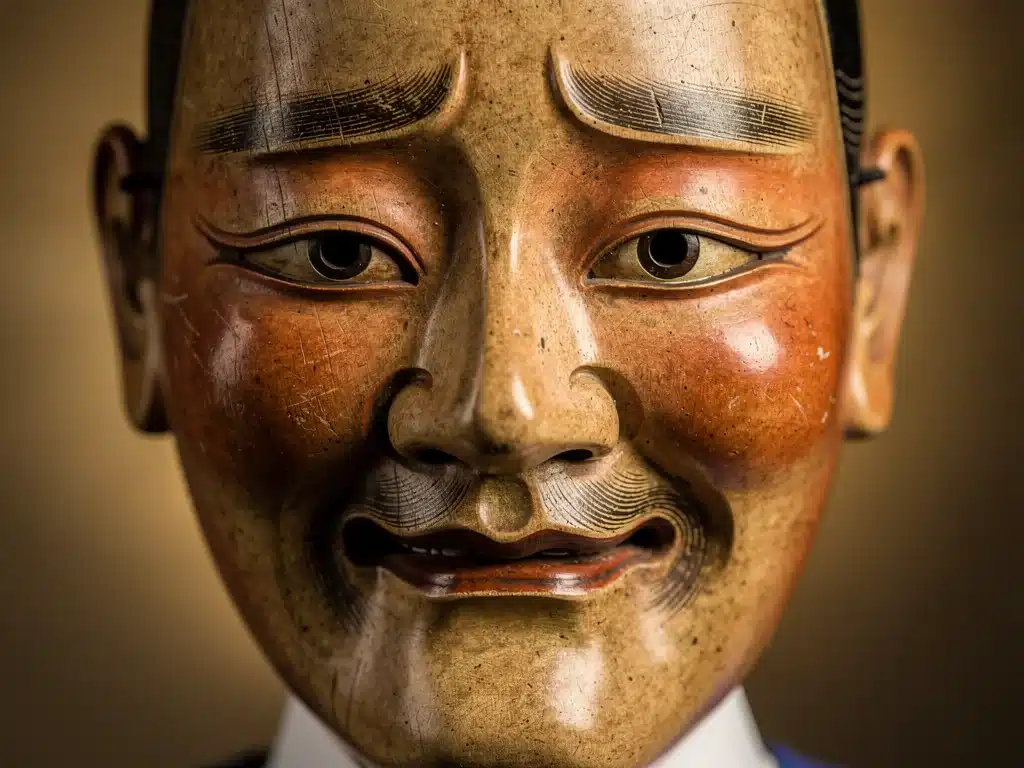
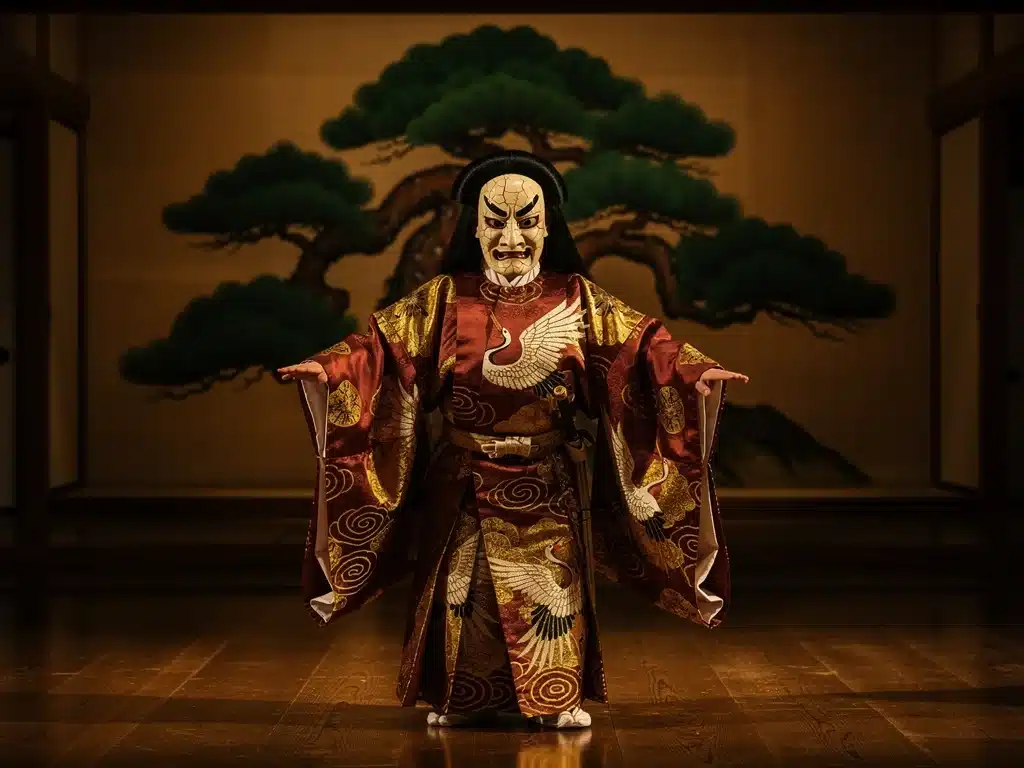
Noh theater is characterized by its distinctive elements: masks (omote), elaborate costumes (shozoku), minimal stage settings, and highly stylized movements. The masks, worn by the main actor (shite), are central to conveying character and emotion, as actors rarely show their own faces.
These masks are masterpieces of carving, designed to appear differently depending on the angle and lighting, adding subtle nuances to the performance, a critical aspect of Noh Theater.
The performance style is slow, deliberate, and often symbolic, relying on suggestion rather than explicit action. Movements are highly codified, with every gesture carrying specific meaning, requiring intense training and discipline from the performers.
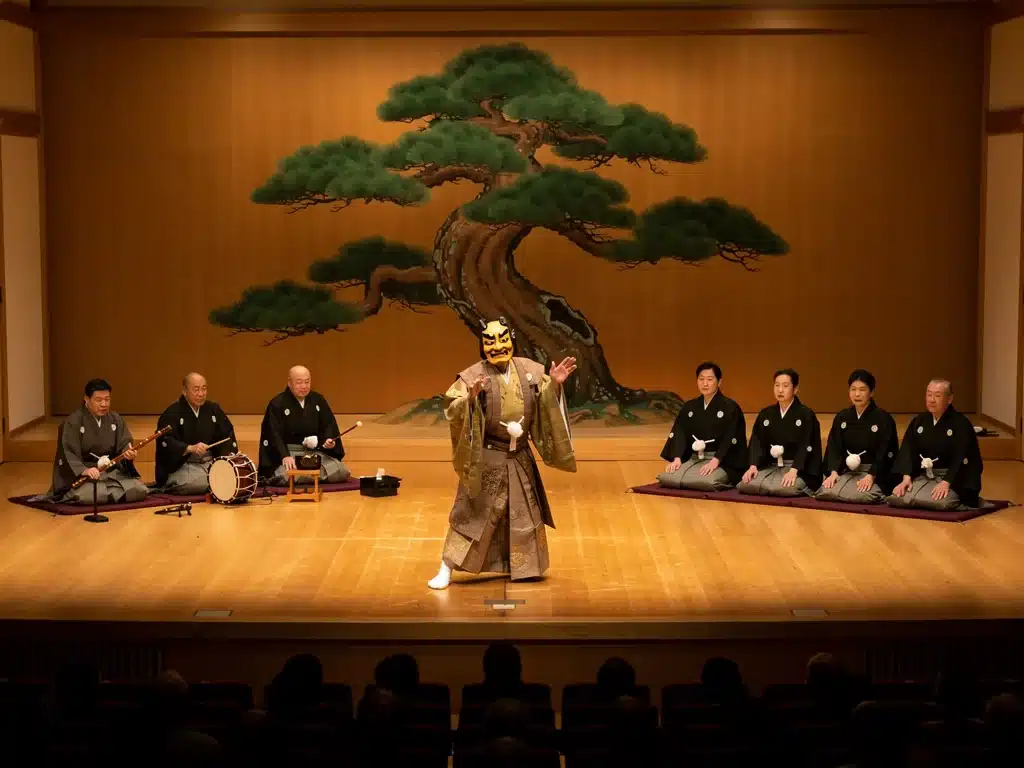
The music, provided by a small ensemble of flute (fue) and drums (kotsuzumi, otsuzumi, taiko), along with a chorus (jiutai), creates an atmospheric soundscape that underscores the drama.
The stage itself is simple, typically featuring a painted pine tree backdrop (kagami-ita) and a bridge (hashigakari) leading to the main stage. This minimalist approach allows the focus to remain squarely on the actors, their masks, and their movements, emphasizing the internal world of the characters. These fundamental elements are crucial for appreciating Noh Theater.
The Role of Masks and Costumes
Noh masks are not merely props; they are integral to the character’s identity and emotional expression. Each mask type represents specific archetypes, gods, demons, old men, young women, and their subtle shifts in expression are achieved through the actor’s tilting of the head.
The elaborate costumes, often made of rich silk brocade, further define the character’s status and nature, contributing to the visual spectacle.
The artistry involved in creating these masks and costumes is passed down through generations, reflecting centuries of tradition and aesthetic refinement.
The interplay between the mask’s static expression and the actor’s dynamic movement creates a powerful, almost hypnotic, theatrical experience. This intricate detail is a significant part of Noh Theater.
- Masks (omote): Essential for character portrayal, conveying emotion through subtle angles.
- Costumes (shozoku): Richly embroidered silks indicating status and character.
- Stylized Movement: Deliberate, symbolic gestures with deep meaning.
Music and Choral Narration
The musical accompaniment in Noh is sparse yet powerful, setting the mood and pacing of the performance. The flute provides melodic lines, while the drums create rhythmic patterns and vocal calls (kakegoe) that punctuate the action. This ensemble, known as the hayashi, works in tandem with the chorus to advance the narrative and heighten dramatic tension.
The chorus plays a crucial role, often narrating the story, expressing the inner thoughts of the shite, or describing events unfolding on stage.
Their chanting style, known as utai, is highly formalized and melodic, adding another layer of poetic expression to the performance. Understanding these musical and vocal traditions is key to experiencing Noh Theater.
Bridging the Cultural Divide for US Audiences
For many American audiences, Noh theater can initially seem inaccessible due to its slow pace, symbolic nature, and reliance on classical Japanese. However, concerted efforts are underway to make Noh Theater more approachable.
These initiatives include providing comprehensive program notes, English surtitles, and pre-performance lectures that contextualize the art form.
Educational institutions and cultural organizations in the US are increasingly featuring Noh performances and workshops, fostering a deeper understanding and appreciation.
Collaborations between Japanese Noh masters and American theater practitioners are also helping to bridge the cultural gap, adapting presentations without compromising authenticity. These efforts are vital for the continued growth of Noh Theater.
The goal is not to Westernize Noh, but to equip American viewers with the tools to engage with its unique aesthetic on its own terms.
By providing cultural and historical context, audiences can move beyond initial unfamiliarity to discover the profound beauty and emotional resonance of this ancient art. This thoughtful approach is crucial for establishing Noh Theater as a recognized art form in the West.
Notable Noh Performances and Tours in the US
In recent years, several prominent Noh troupes have toured the United States, bringing authentic performances to major cultural centers.
These tours often feature some of Japan’s most revered Noh actors, offering American audiences a rare opportunity to witness this art firsthand. Such events are critical in providing a direct experience of Noh Theater.
Universities and museums have also played a significant role in hosting Noh performances and related exhibitions, further enriching the cultural landscape.
These institutions often integrate academic discussions and demonstrations, enhancing the audience’s understanding of the intricate layers of Noh. The increasing frequency of these engagements signals a growing interest in Noh Theater.
Looking ahead to 2026, there are plans for even more extensive tours and collaborations, aiming to reach a wider demographic across various regions of the US. These initiatives are designed to introduce Noh to new audiences while catering to existing enthusiasts, ensuring the continued vitality of Noh Theater.
Impact of Digital Platforms on Accessibility
The advent of digital platforms has significantly expanded the reach of Noh theater beyond traditional venues. Online streaming of performances, documentaries, and educational content allows a global audience, including those in the US, to engage with Noh.
This digital accessibility is particularly valuable for reaching individuals who may not have access to live performances, playing a key role in Noh Theater.
Virtual reality (VR) and augmented reality (AR) technologies are also being explored to create immersive experiences, offering new ways to interact with Noh masks, costumes, and stage designs.
These innovations promise to demystify complex elements of Noh, making it more engaging for a tech-savvy generation. Such technological integration is a modern aspect of Noh Theater.
- Online Streams: Performances and educational content reaching a global audience.
- VR/AR Experiences: Immersive tools for engaging with Noh elements.
- Digital Archives: Resources for scholarly research and public access to historical Noh.
Educational Initiatives and Workshops
Educational programs, ranging from university courses to community workshops, are fundamental in nurturing a new generation of Noh enthusiasts in the US.
These programs often include lectures on Noh history, demonstrations of acting techniques, and even opportunities to try on masks and costumes. Such hands-on experiences are invaluable for demystifying the art form.
Workshops led by experienced Noh practitioners provide practical insights into the discipline and philosophy behind the movements and chants.
These initiatives not only educate but also inspire, creating a deeper connection between participants and the art. These educational efforts are central to building an informed audience for Noh Theater.
The Enduring Relevance of Noh in Modern Times
Despite its ancient origins, Noh theater continues to resonate with contemporary audiences due to its universal themes and profound artistic expression.
The exploration of human emotions, the ephemeral nature of life, and the interplay between the living and the spirit world are themes that remain highly relevant. This enduring appeal ensures that Noh Theater remains a captivating subject.
Its minimalist aesthetic also speaks to modern sensibilities, offering a refreshing contrast to the often-overstimulated digital world. Noh invites contemplation and introspection, providing a meditative experience that can be deeply moving. This unique approach to storytelling and performance holds significant value in today’s fast-paced society.
Furthermore, Noh’s influence can be seen in various contemporary art forms, from modern dance to experimental theater, demonstrating its lasting impact on global performing arts.
Its unique blend of ritual, poetry, and drama continues to inspire artists and scholars worldwide, reinforcing the importance of Noh Theater.
Challenges and Opportunities for Noh in the US
Introducing Noh theater to a wider US audience comes with its challenges, primarily overcoming cultural barriers and preconceived notions about traditional Japanese arts.
The slow pace and symbolic language can be unfamiliar to those accustomed to Western narrative structures. However, these challenges also present unique opportunities for cultural exchange and artistic growth, making Noh Theater a dynamic field.
One significant opportunity lies in presenting Noh as a unique meditative and aesthetic experience, distinct from other theatrical forms.
Highlighting its historical significance and philosophical depth can attract audiences seeking profound cultural engagement. Strategic marketing and educational outreach are crucial for framing Noh in a way that appeals to diverse American demographics.
Collaborations with contemporary artists and fusion performances could also introduce Noh elements to new audiences, sparking curiosity for the traditional form.
While maintaining authenticity is paramount, innovative approaches to presentation can expand its appeal. These efforts will define the trajectory of Noh Theater.
Future Projections for Noh in the US by 2026
By 2026, the landscape for Noh theater in the United States is projected to be more vibrant and accessible than ever before. Increased cultural exchange programs, supported by both Japanese and American cultural organizations, are expected to facilitate more frequent tours and residencies. This heightened presence will solidify Noh Theater as a significant cultural offering.
Technological advancements will likely continue to play a pivotal role, with more sophisticated digital resources and interactive experiences becoming available.
This will enable a deeper, more personalized engagement with Noh, allowing audiences to explore its intricacies at their own pace. Such innovations are essential for expanding the reach and understanding of Noh among diverse audiences.
Furthermore, a growing appreciation for global arts and cultural diversity among US audiences suggests a fertile ground for Noh to flourish.
As more people seek authentic and enriching cultural experiences, the unique appeal of Noh theater is likely to capture greater attention. This positive outlook underscores the potential for Noh Theater to become a celebrated part of the American cultural scene.
| Key Aspect | Brief Description |
|---|---|
| Historical Roots | 14th-century origins, developed by Kan’ami and Zeami, deeply spiritual. |
| Performance Style | Masks, elaborate costumes, stylized movements, minimalist stage. |
| US Accessibility | Surtitles, pre-performance lectures, digital platforms, educational programs. |
| Future Outlook | Increased tours, technological integration, growing cultural appreciation. |
Frequently Asked Questions About Noh Theater
Noh theater is a classical Japanese musical drama that originated in the 14th century, making it one of the oldest surviving theatrical forms. It was refined by Kan’ami and Zeami, drawing from aristocratic, religious, and folk traditions, deeply rooted in Buddhist and Shinto philosophies.
Noh differs significantly through its use of masks, highly stylized and slow movements, minimalist stage design, and chanted narratives. Unlike Western theater’s emphasis on realism and dialogue, Noh prioritizes symbolism, poetic language, and the internal emotional landscape of characters.
Noh masks (omote) are crucial for character portrayal, as actors rarely show their own faces. Each mask represents specific archetypes, and its expression can subtly change depending on the actor’s head tilt and the stage lighting, conveying complex emotions to the audience.
Efforts to make Noh accessible include providing English surtitles, comprehensive program notes, and pre-performance lectures. Digital platforms offer online streams and educational content, while collaborations with US institutions foster deeper understanding and appreciation among diverse viewers.
Noh remains relevant due to its exploration of universal themes like love, loss, and redemption, which resonate across cultures and generations. Its minimalist aesthetic offers a contemplative experience, influencing contemporary arts and providing a unique form of spiritual engagement in a fast-paced world.
Looking Ahead: The Future of Noh in America
The increasing visibility and appreciation for Noh Theater point towards a promising future. As cultural institutions and digital innovations continue to bridge the gap, more Americans will have the opportunity to engage with this profound art form.
The focus remains on presenting Noh authentically while providing the necessary context for new audiences. This ongoing cultural exchange enriches the theatrical landscape in the US, offering diverse perspectives and deepening cross-cultural understanding.
The efforts to demystify Noh are not about simplification, but about empowering audiences to connect with its intricate beauty and spiritual depth. What emerges is a more informed and appreciative audience for Noh Theater.
By 2026, we anticipate a stronger presence of Noh theater, characterized by more frequent tours, enhanced educational resources, and a growing community of enthusiasts.
This trajectory suggests that Noh will become an increasingly recognized and celebrated component of the American performing arts scene, fostering a deeper connection to Japanese culture.