Mastering Ikebana in 2026: A Step-by-Step Guide to Japanese Flower Arranging for US Enthusiasts
Anúncios
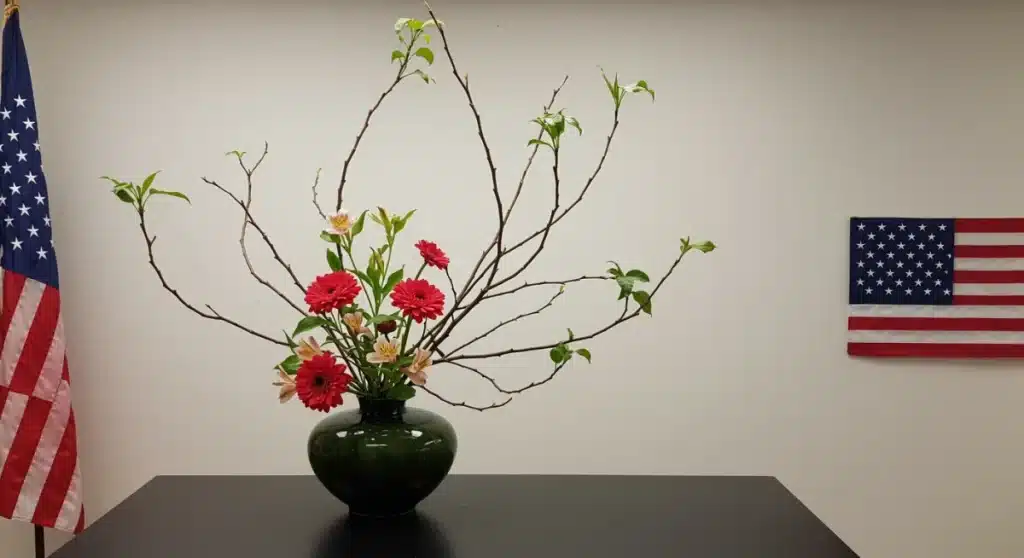
Discover the meditative power of Ikebana, the ancient Japanese art that is redefining modern floral design in 2026. This discipline goes beyond simple bouquets, inviting you to create a living dialogue between nature and space.
By mastering the balance of line and form, you can transform seasonal branches and blossoms into sculptural masterpieces. These botanical compositions emphasize “ma,” or negative space, turning every single stem into a profound artistic statement.
Whether you are seeking mindfulness or a unique aesthetic for your home, this guide explores the essential techniques of this floral philosophy. Join a growing community of enthusiasts and bring the tranquility of the garden into your daily life.
Anúncios
The Resurgence of Ikebana in the US
The ancient Japanese art of Ikebana is experiencing a significant resurgence across the United States, captivating a new generation of hobbyists and serious practitioners.
This renewed interest is fueled by a desire for mindfulness, connection with nature, and an appreciation for traditional art forms in an increasingly digital world.
Anúncios
As 2026 approaches, resources for Ikebana are becoming more accessible, from online courses to local workshops. This widespread availability allows more Americans to delve into the subtle beauty and philosophical depth of this unique floral discipline.
This section explores the current landscape of Ikebana in the US, highlighting key trends and opportunities for those looking to embark on this artistic journey.
The growing community provides a supportive environment for learning and sharing, making Ikebana a truly enriching experience.
Understanding Ikebana’s Core Principles
At its heart, Ikebana is more than just arranging flowers; it is a spiritual practice that emphasizes harmony, balance, and the beauty of asymmetry. Practitioners learn to observe and appreciate nature, bringing its essence indoors through thoughtful composition.
The fundamental principles revolve around three main lines, representing heaven, earth, and humanity, known as Shin, Soe, and Hikae. These elements guide the placement and angle of each botanical component, creating dynamic and expressive forms.
For those interested in Ikebana, grasping these foundational concepts is crucial. They provide the framework upon which all arrangements are built, ensuring authenticity and artistic integrity in every creation.
The Significance of Space and Form
In Ikebana, empty space is just as important as the materials used, often referred to as ‘ma’. This deliberate use of negative space creates depth and allows each element to breathe, enhancing the overall aesthetic impact.
The form an arrangement takes is dictated by the style chosen, each with its own historical roots and guidelines. Whether it’s the upright moribana or the slanted nageire, understanding these forms is key to Ikebana effectively.
- Shin (Heaven): The tallest and most dominant line, representing the spiritual and aspirational aspects.
- Soe (Human): A medium-height line, supporting Shin and symbolizing human interaction with nature.
- Hikae (Earth): The shortest line, grounding the arrangement and representing the physical world.
Essential Tools and Materials for Beginners
Before beginning any Ikebana arrangement, having the right tools is paramount. A sharp pair of floral shears, known as ‘hasami’, is essential for clean cuts that prolong the life of your botanical materials.
A ‘kenzan’, a heavy metal pin frog, serves as the anchor for your stems within the vase, allowing for precise positioning and stability. Different sizes are available to accommodate various arrangements and vessel openings.
Finally, a selection of appropriate vases, or ‘utsuwa’, is necessary. These range from shallow ‘suiban’ bowls for moribana styles to tall, narrow ‘nageire’ containers, each influencing the arrangement’s final presentation for Ikebana.
Step-by-Step: Your First Ikebana Arrangement
Embarking on your first Ikebana arrangement can seem daunting, but with a clear step-by-step guide, it becomes an enjoyable and meditative process. The key is to approach it with patience and an open mind, focusing on the journey rather than just the outcome.
Begin by selecting your materials: a main branch for Shin, a secondary branch or flower for Soe, and a smaller element for Hikae. Consider their natural curves and forms, as these will guide your composition.
This practical section is designed to walk US enthusiasts through the initial stages of Ikebana, ensuring a solid foundation for future artistic endeavors.
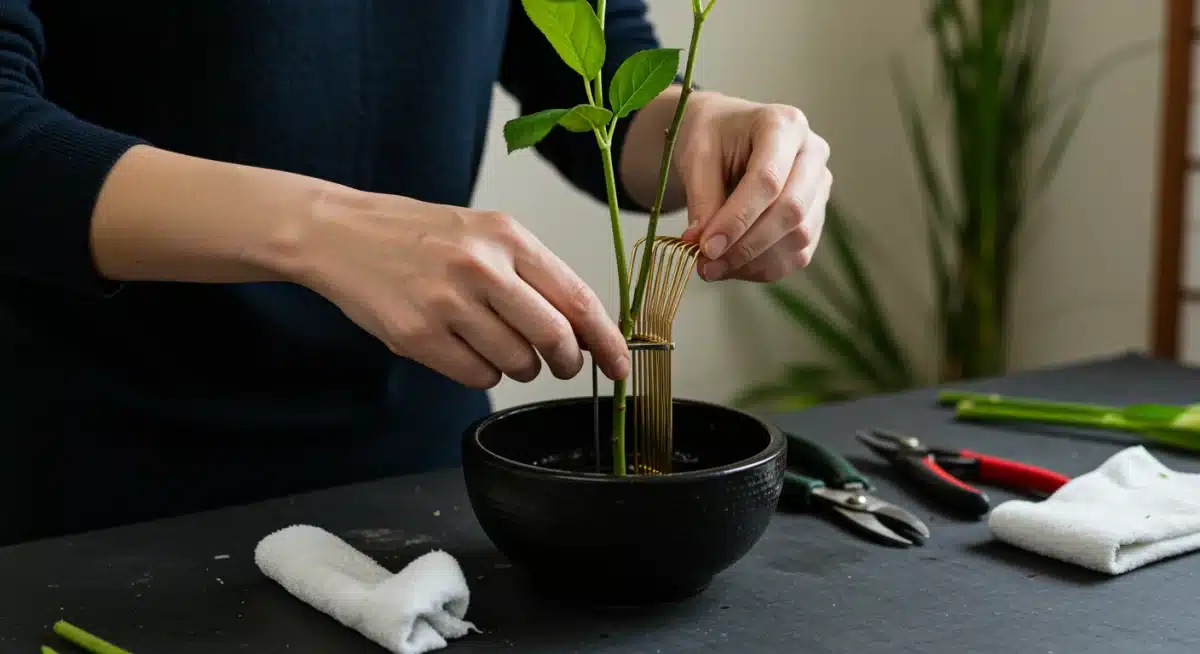
Preparing Your Materials and Kenzan
Before placing any materials, ensure all stems are cut cleanly underwater to maximize water absorption and longevity. Remove any leaves below the waterline to prevent bacterial growth, which can shorten the life of your arrangement.
Position the kenzan securely in your chosen vase, typically off-center, to create visual interest and allow for natural asymmetry. Fill the vase with fresh water, ensuring the kenzan is fully submerged.
Proper preparation is a fundamental step in Ikebana, setting the stage for a successful and lasting display. This attention to detail reflects the respect for nature inherent in Ikebana.
Constructing the Three Main Lines
Start with the Shin line, placing your tallest branch or flower into the kenzan, usually leaning slightly away from you at an angle. This line sets the overall height and direction of your arrangement.
Next, introduce the Soe line, which should be about two-thirds the height of Shin and placed to support it, often in a contrasting direction. This creates a sense of depth and interaction within the composition.
- Shin Placement: Typically 1.5 to 2 times the height of the vase, angled between 15 to 30 degrees.
- Soe Placement: Roughly two-thirds the height of Shin, angled between 45 to 60 degrees.
- Hikae Placement: About half the height of Soe, angled between 75 to 90 degrees, often pointing forward.
Finally, add the Hikae line, the shortest element, positioned to balance the other two and complete the triangular form. Adjust all elements until a harmonious balance is achieved, a critical aspect of Ikebana.
Exploring Different Ikebana Styles
Ikebana encompasses numerous schools and styles, each with its unique philosophy and aesthetic. While some are rigid and formal, others embrace a more natural and free-flowing approach, offering a rich tapestry of artistic expression.
Understanding these different styles allows practitioners to explore various creative avenues and find the one that best resonates with their personal artistic vision. This exploration is a vital part of Ikebana.
From the traditional Rikka to the more contemporary Jiyūka, each style provides a distinct set of guidelines and opportunities for interpretation. This diversity ensures that Ikebana remains a vibrant and evolving art form for all enthusiasts.
Moribana and Nageire: Foundational Styles
Moribana, meaning ‘piled-up flowers’, is characterized by arrangements placed in shallow, flat containers, or suiban, using a kenzan. This style often emphasizes the natural growth of plants and is ideal for beginners due to its clear structural rules.
Nageire, or ‘thrown-in flowers’, involves arrangements in tall, narrow vases without a kenzan, relying on natural supports within the container or clever stem placement. This style demands a keen eye for balance and a more spontaneous touch, making it a rewarding challenge for those Mastering Ikebana in 2026.
- Moribana Focus: Emphasizes breadth and depth, often showcasing a landscape-like composition.
- Nageire Focus: Highlights verticality and the inherent beauty of individual stems and branches.
- Key Difference: Container type and the method of securing materials.
Beyond Tradition: Modern and Free Styles
As Ikebana evolves, contemporary styles like Jiyūka, or ‘free style’, offer greater creative freedom, allowing artists to break away from strict traditional rules. These styles often incorporate unconventional materials and abstract forms.
While still respecting the core principles of balance and harmony, modern Ikebana encourages experimentation and personal expression. This makes it particularly appealing to US enthusiasts seeking a unique artistic outlet.
Exploring these innovative approaches is an exciting aspect of Ikebana, pushing the boundaries of what is traditionally considered floral art. It reflects the dynamic nature of cultural exchange and artistic development.
Benefits of Practicing Ikebana for US Enthusiasts
Beyond its aesthetic appeal, practicing Ikebana offers a multitude of benefits, particularly for individuals in the fast-paced environment of the United States. It serves as a meditative practice, fostering mindfulness and reducing stress.
The act of creating an arrangement requires focus and patience, drawing practitioners into the present moment and away from daily anxieties. This calm focus is invaluable for mental well-being and personal growth.
Furthermore, engaging with nature in this intimate way cultivates a deeper appreciation for the environment and its delicate balance. These holistic advantages are compelling reasons for Mastering Ikebana in 2026.
Mindfulness and Stress Reduction Through Floral Art
The deliberate process of selecting, cutting, and arranging materials in Ikebana naturally encourages a state of mindfulness. Each decision, from angle to placement, requires careful consideration and presence.
This focused activity acts as a form of active meditation, helping to quiet the mind and alleviate stress. The beauty created also provides a sense of accomplishment and peace, enhancing overall mental health.
Many US enthusiasts report a significant improvement in their ability to concentrate and relax after incorporating Ikebana into their routines, underscoring its therapeutic value in Ikebana.
Connecting with Japanese Culture and Aesthetics
Practicing Ikebana offers a tangible way to connect with Japanese culture, understanding its aesthetic principles of wabi-sabi (the beauty of imperfection) and mono no aware (the pathos of things). It’s a direct gateway to a rich artistic heritage.
Through this art form, US enthusiasts gain insights into Japanese philosophy, history, and an appreciation for the ephemeral beauty of nature. It fosters cultural understanding and respect, bridging geographical divides.
- Wabi-Sabi: Embracing imperfection, transience, and simplicity in arrangements.
- Mono no Aware: Acknowledging the poignant beauty of impermanence.
- Cultural Immersion: Direct engagement with Japanese artistic traditions.
This cultural immersion is a profound benefit for those committed to Ikebana, enriching their lives beyond just floral design.
Finding Ikebana Resources and Communities in the US
For US enthusiasts eager to begin or continue their Ikebana journey, a growing network of resources and communities is available. From formal schools to informal local groups, opportunities for learning and connection are abundant.
Online platforms and social media groups also play a crucial role in connecting practitioners across different states, offering virtual workshops, sharing ideas, and providing mutual support. This digital landscape makes Mastering Ikebana in 2026 more accessible than ever.
Identifying reliable instructors and active communities is key to a rewarding learning experience. The right environment can significantly enhance one’s journey in this intricate art form.
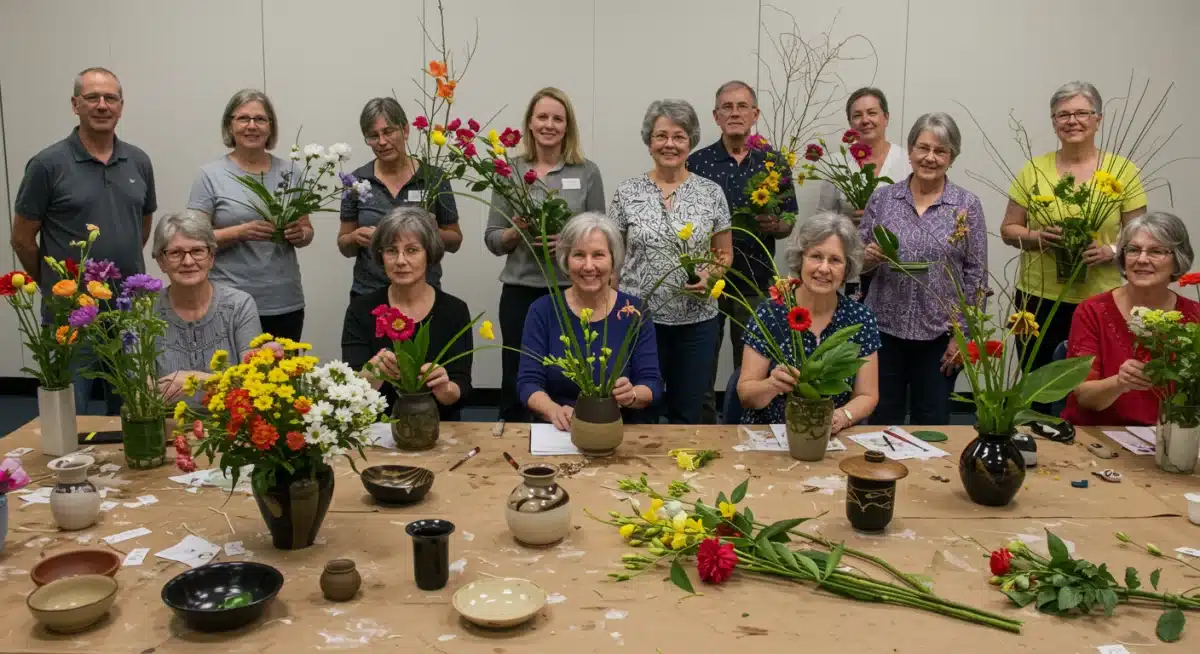
Ikebana Schools and Workshops Across the Nation
Several established Ikebana schools, such as Ikenobo, Sogetsu, and Ohara, have branches and certified instructors throughout the United States. These schools offer structured curricula, from beginner classes to advanced certifications.
Local botanical gardens and community centers frequently host introductory workshops, providing an excellent entry point for those curious about the art. These hands-on sessions offer practical experience and direct instruction.
For individuals seriously considering Mastering Ikebana in 2026, seeking out accredited schools ensures a comprehensive and authentic learning path. Membership in these organizations often provides access to exclusive events and resources.
Online Learning and Virtual Communities
The digital age has opened new avenues for learning Ikebana, with numerous online courses and tutorials available from experienced instructors. These platforms offer flexibility, allowing enthusiasts to learn at their own pace and from anywhere.
Virtual communities on social media and dedicated forums provide a space for sharing work, asking questions, and connecting with fellow practitioners. This online interaction fosters a sense of camaraderie and continuous learning.
- Online Courses: Structured lessons, video demonstrations, and feedback from instructors.
- Social Media Groups: Platforms for sharing photos, tips, and connecting with a global community.
- Webinars and Workshops: Live virtual sessions offering real-time instruction and interaction.
These digital resources are invaluable for US enthusiasts, making Ikebana a truly global and interconnected pursuit.
Future Trends in Ikebana for US Practitioners
As Ikebana continues to evolve, several trends are emerging that will shape its practice for US enthusiasts in the coming years. One significant trend is the increasing emphasis on sustainability and the use of locally sourced, seasonal materials.
Another area of growth is the fusion of Ikebana with other art forms and design principles, leading to innovative expressions that push traditional boundaries. This cross-pollination enriches the art and attracts a broader audience.
These forward-looking developments highlight the dynamic nature of Ikebana, ensuring its continued relevance and appeal in the modern world.
Sustainability and Local Sourcing
There is a growing movement within the Ikebana community to prioritize environmentally friendly practices. This includes using materials that are sustainably harvested, reusable containers, and minimizing waste during the arranging process.
Local sourcing of flowers, branches, and other botanical elements not only reduces the carbon footprint but also encourages a deeper connection with the natural environment of one’s region. This aligns with Ikebana’s respect for nature.
Embracing sustainability is becoming an integral part of Ikebana, reflecting a global consciousness towards ecological responsibility. This approach enhances the authenticity and purpose of the art.
Ikebana as a Wellness Practice
The therapeutic benefits of Ikebana are gaining wider recognition, positioning it as a valuable wellness practice. Workshops are increasingly being offered in healthcare settings, corporate wellness programs, and mindfulness retreats.
The structured yet creative nature of Ikebana provides a unique outlet for emotional expression and stress relief, contributing to improved mental and emotional health. Its contemplative aspect resonates deeply with individuals seeking balance.
This expansion into the wellness sector underscores the multifaceted value of Mastering Ikebana in 2026 beyond mere aesthetics. It’s an art form that nurtures the spirit as much as it beautifies a space.
Challenges and Considerations for US Practitioners
While the journey of Mastering Ikebana is rewarding, it also presents unique challenges. Access to specific traditional materials, especially rare or seasonal ones, can sometimes be an obstacle.
Another consideration is finding qualified instructors who can provide authentic guidance, particularly in less populated areas of the US. The nuances of Ikebana require experienced mentorship for proper understanding and development.
Overcoming these hurdles involves proactive searching for resources and adapting practices to local availability, ensuring that the essence of Ikebana is maintained even with practical adjustments.
Sourcing Authentic Materials
Obtaining traditional Japanese Ikebana materials, such as specific types of branches or unique flowers, can be challenging in the US. Practitioners often rely on specialized floral suppliers or cultivate their own gardens.
However, the spirit of Ikebana encourages creativity and resourcefulness, allowing for the substitution of materials with locally available alternatives while respecting the fundamental principles of the art.
- Specialized Suppliers: Online stores and importers offering unique Ikebana tools and materials.
- Local Gardens: Cultivating personal gardens to grow desired botanical elements.
- Creative Substitution: Adapting arrangements with readily available local flora while maintaining artistic integrity.
This adaptability is crucial for US enthusiasts dedicated to Ikebana, ensuring the practice remains accessible and vibrant.
Maintaining Authenticity in a Western Context
One of the ongoing discussions among US Ikebana practitioners is how to maintain the authenticity and traditional spirit of the art while practicing it in a Western cultural context. This involves a delicate balance.
It requires a deep understanding of Ikebana’s philosophical underpinnings rather than merely copying forms. Continuous study of Japanese aesthetics and history helps preserve the art’s integrity.
For those committed to Mastering Ikebana in 2026, this means engaging with both the technical aspects and the profound cultural significance of each arrangement. It is about honoring tradition while allowing for personal interpretation.
The Global Impact of Ikebana and Its Appeal
Ikebana’s influence extends far beyond Japan, captivating audiences and practitioners worldwide, including a burgeoning community in the United States. Its universal themes of nature, beauty, and harmony resonate across diverse cultures.
The art form acts as a cultural ambassador, fostering cross-cultural dialogue and appreciation for Japanese aesthetics. Its methodical yet expressive nature appeals to those seeking both discipline and creativity.
This global appeal underscores why Ikebana continues to grow in popularity, offering a unique blend of artistic challenge and spiritual reward.
Ikebana as a Bridge Between Cultures
Ikebana serves as a powerful bridge, connecting individuals from different backgrounds through a shared appreciation for beauty and artistic expression. Workshops and exhibitions often bring together diverse groups.
By engaging with Ikebana, US enthusiasts gain a deeper understanding of Japanese sensibilities and philosophies, promoting cultural exchange and mutual respect. This artistic dialogue enriches both the individual and the broader community.
The shared pursuit of Mastering Ikebana creates a global community, transcending language barriers and fostering a common artistic language.
The Evolving Landscape of Ikebana Education
The methods of teaching and learning Ikebana are continually evolving, adapting to modern technologies and global accessibility. This evolution ensures that the art remains vibrant and accessible to new generations of practitioners.
Hybrid learning models, combining in-person workshops with online resources, are becoming increasingly common, offering flexibility and broader reach. This approach supports a diverse range of learning styles.
- Digital Platforms: Online courses, virtual demonstrations, and interactive learning modules.
- International Collaboration: Exchanges between Ikebana schools and practitioners worldwide.
- Accessible Learning: Programs designed to accommodate various schedules and geographical locations.
These advancements in education are crucial for the continued growth of Mastering Ikebana in 2026, making it a truly global art form.
| Key Aspect | Description |
|---|---|
| Core Principles | Harmony, balance, and asymmetry, guided by heaven, earth, and human lines. |
| Essential Tools | Kenzan (pin frog), hasami (shears), and appropriate vases (utsuwa). |
| Key Styles | Moribana (shallow vase) and Nageire (tall vase), alongside modern Jiyūka. |
| Benefits | Mindfulness, stress reduction, and deep cultural connection. |
Frequently Asked Questions About Ikebana
The best way to start Ikebana is by attending an introductory workshop or enrolling in an online course. Many established Ikebana schools have branches in major US cities, offering structured lessons. Begin with basic tools like a kenzan and floral shears.
While traditional Ikebana often uses specific Japanese flora, the art form encourages adaptability. US enthusiasts can absolutely use local, seasonal flowers and branches. The key is to select materials that embody the principles of line, mass, and space, rather than adhering strictly to particular species for Ikebana.
Ikebana emphasizes asymmetrical balance, empty space, and the natural growth form of materials, focusing on lines and spiritual meaning. Western arrangements typically prioritize symmetry, mass, and color, aiming for a full, lush display. Mastering Ikebana involves appreciating these distinct philosophical approaches.
Practicing Ikebana promotes mindfulness, concentration, and a sense of calm. The deliberate selection and placement of materials require focused attention, drawing practitioners into the present moment and away from daily distractions. This meditative aspect is a significant draw for many seeking to learn Ikebana.
Reliable Ikebana communities and instructors can be found through official school chapters (Ikenobo, Sogetsu, Ohara) located in various US cities. Additionally, local botanical gardens, Japanese cultural centers, and online forums often host workshops or provide directories for those embarking on Ikebana.
Looking Ahead: The Future of Ikebana in the US
The trajectory for Mastering Ikebana in 2026 indicates continued growth and adaptation. As more individuals seek meaningful ways to connect with art and nature, Ikebana stands out as a practice offering both aesthetic beauty and profound personal enrichment.
Expect to see further integration of sustainable practices, innovative stylistic interpretations, and an expansion of educational opportunities, both in-person and online. The art form’s flexibility ensures its relevance in a constantly changing world.
This ongoing evolution will solidify Ikebana’s place within the US cultural landscape, inviting even more enthusiasts to explore its timeless principles and discover their own creative expressions through Japanese flower arranging.